Rhinoplasty in South Korea: Cost, Safety & Hospitals
Sourced, dated facts on cost, safety and the most popular hospitals, to help you make an informed decision.
In short
Rhinoplasty in South Korea costs on average $4.5k (typically $3.0k to $6.0k). That is roughly 57% less than in Australia. We list 9 popular hospitals for this procedure.
Sourced data · 1 source.
Average cost
$4.5k
Typical range
$3.0k to $6.0k
Savings vs home
up to 57%
vs Australia
Popular hospitals
9
- 9 hospitals listed on CureMeridian
- 4.4★ from 5,062 Google reviews
- Up to 57% less than at home
Scores are calculated by our algorithm, not paid for by hospitals.
Cost of Rhinoplasty in South Korea
Rhinoplasty in South Korea costs on average $4.5k, ranging from $3.0k to $6.0k.
- Low
- $3.0k
- Average
- $4.5k
- High
- $6.0k
Typically includes: Consultation, Surgery, Post-op care.
Usually excluded: Travel expenses, Accommodation.
Sourced data · 1 source.
Savings vs your home country
Compared with prices at home, Rhinoplasty in South Korea can cost substantially less. Figures compare the average price in each market.
| Home country | Cost at home | You could save |
|---|---|---|
| United States | $7.5k | 40% |
| the UK | $6.0k | 25% |
| Canada | $9.0k | 50% |
| Australia | $10.5k | 57% |
| New Zealand | $10.5k | 57% |
| Ireland | $7.5k | 40% |
Wait times
Typical wait for Rhinoplasty in South Korea is around 10 days.
- South Korea: ~10 days
- United States (public system): ~42 days
- the UK (public system): ~365 days
- Canada (public system): ~180 days
- Australia (public system): ~270 days
- New Zealand (public system): ~300 days
- Ireland (public system): ~365 days
About Rhinoplasty
Rhinoplasty abroad typically involves general anaesthesia, about 2.5h in surgery, usually outpatient.
Read the full Rhinoplasty guide for how the procedure works and what to expect.
Is Rhinoplasty in South Korea safe?
Here is the factual safety picture, hospital ratings and track record, country health context, and published outcome statistics.
- Published success rate
- 90%
- Serious complication rate
- 2%
- Revision rate
- 10%
Population averages from published data, not a personal prognosis. Outcomes vary by individual; discuss your case with a qualified clinician.
Country health context: life expectancy 84 years.
US travel advisory: Exercise Normal Precautions.
Risks & complications
Being straight about risk is part of an informed decision. Rhinoplasty carries procedure and travel-specific risks.
Travelling after surgery: Risk of bleeding and swelling.
Activity restrictions: Avoid strenuous activities for 4 weeks.
Informational only, not medical advice. Discuss your individual risk with a qualified clinician.
Popular hospitals for Rhinoplasty in South Korea
These hospitals are frequently chosen for Rhinoplasty, ranked by patient ratings and review volume. Scores are calculated by our algorithm, not paid for by hospitals.
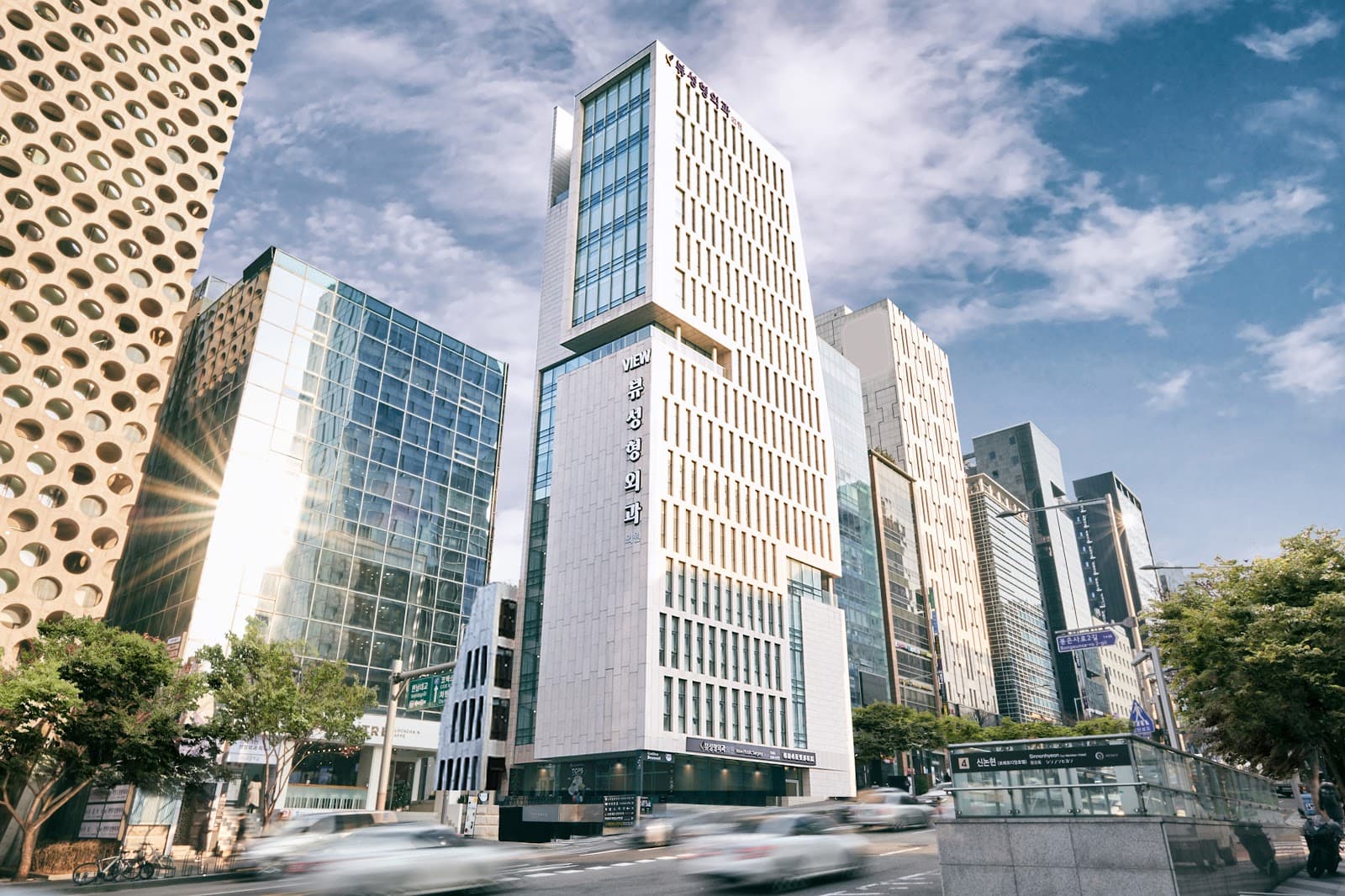
View Plastic Surgery Clinic
Seoul
4.9(798)
Patient-oriented clinic in its own 19-floor Gangnam building with each floor specialized for consulting, surgery, or recovery; staffed by board-certified surgeons.
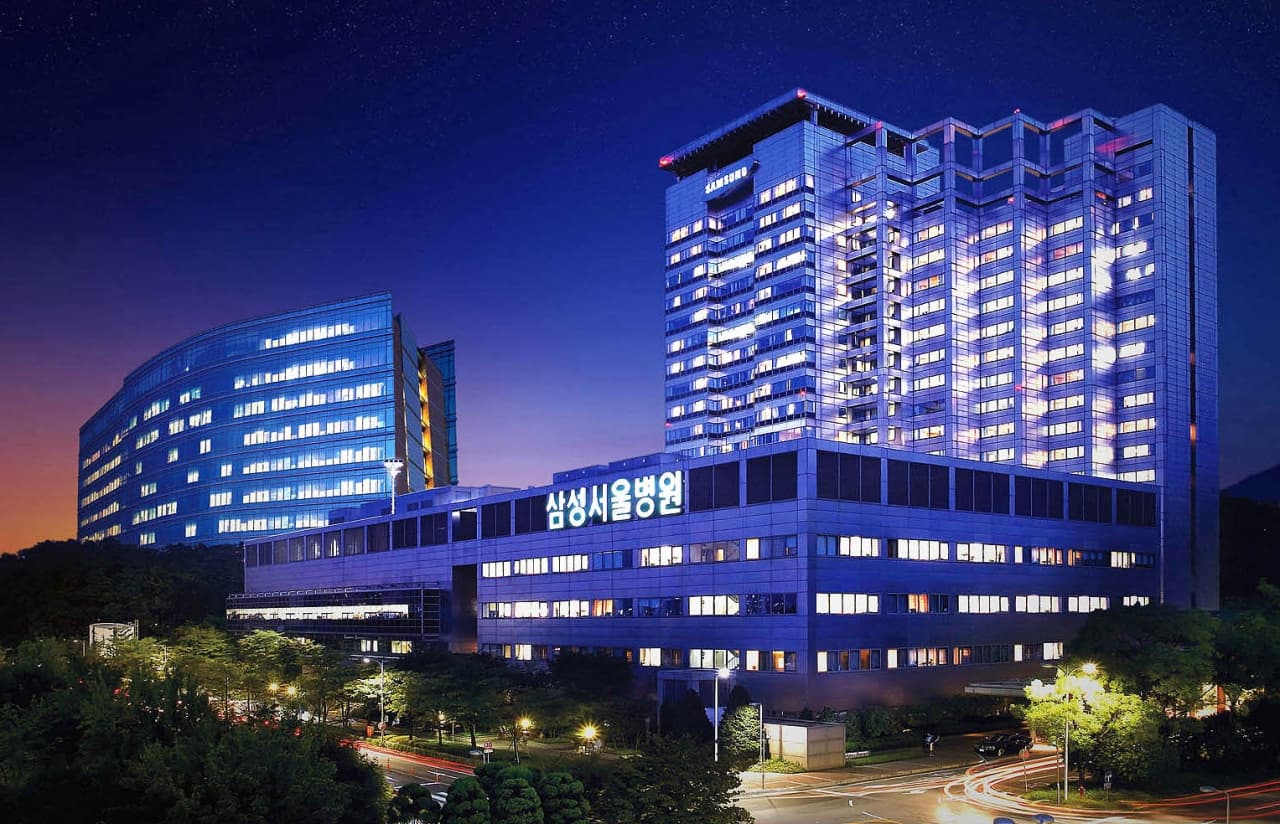
Samsung Medical Center
Seoul
3.9(545)
Ranked 26th globally in Newsweek's World's Best Hospitals and first among Korean university hospitals; ranked 3rd in the world for oncology.
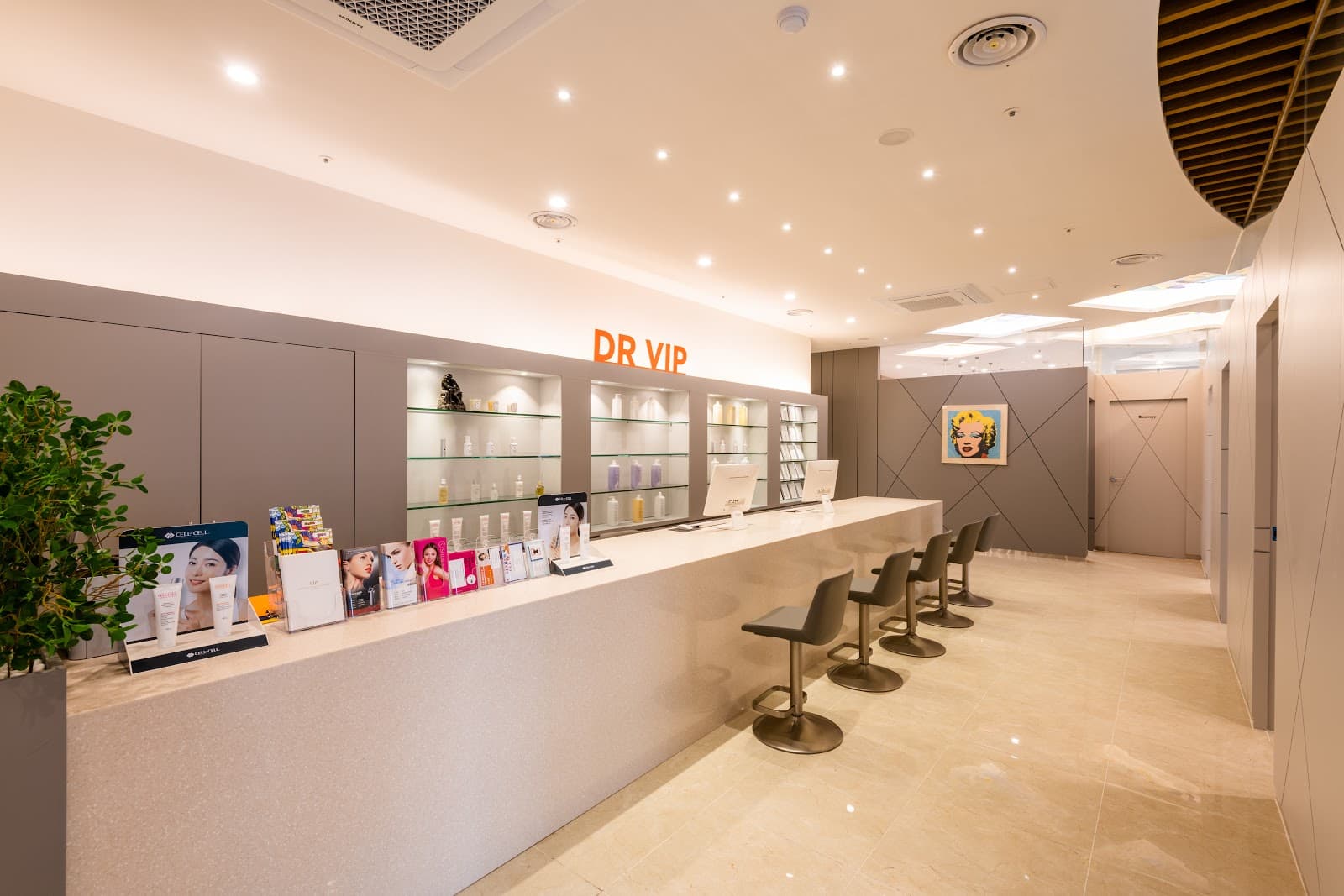
VIP Plastic Surgery Hospital
Seoul
4.9(407)
Founded in 2001, a pioneer of autologous rib cartilage rhinoplasty and high SMAS facelift in Korea with over 20,000 procedures across 25+ years.
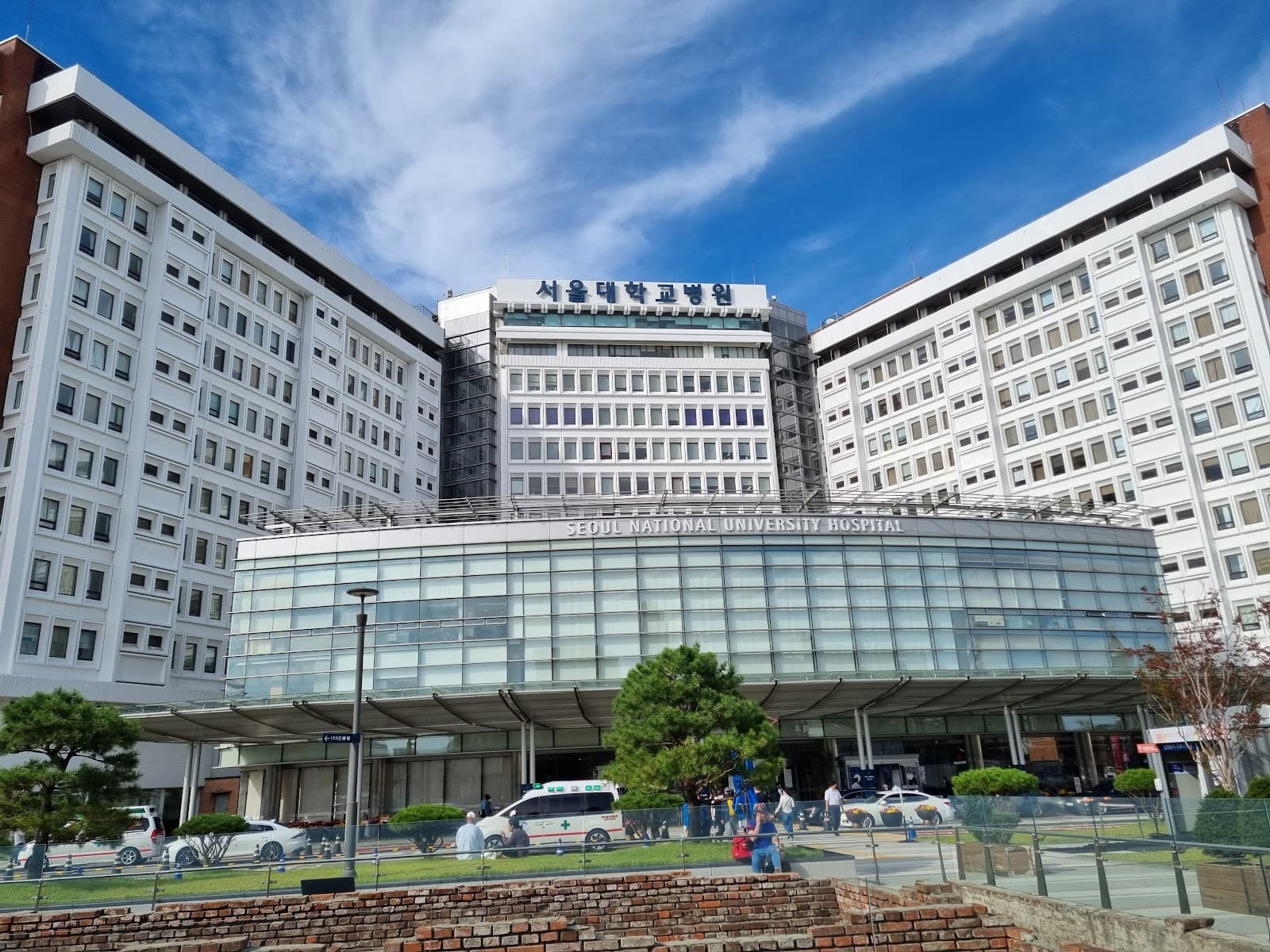
Seoul National University Hospital (SNUH)
Seoul
4.0(145)
Korea's first modern hospital (founded 1885) and the nation's central hospital; ranked 8th globally by US NIH for clinical trials conducted.
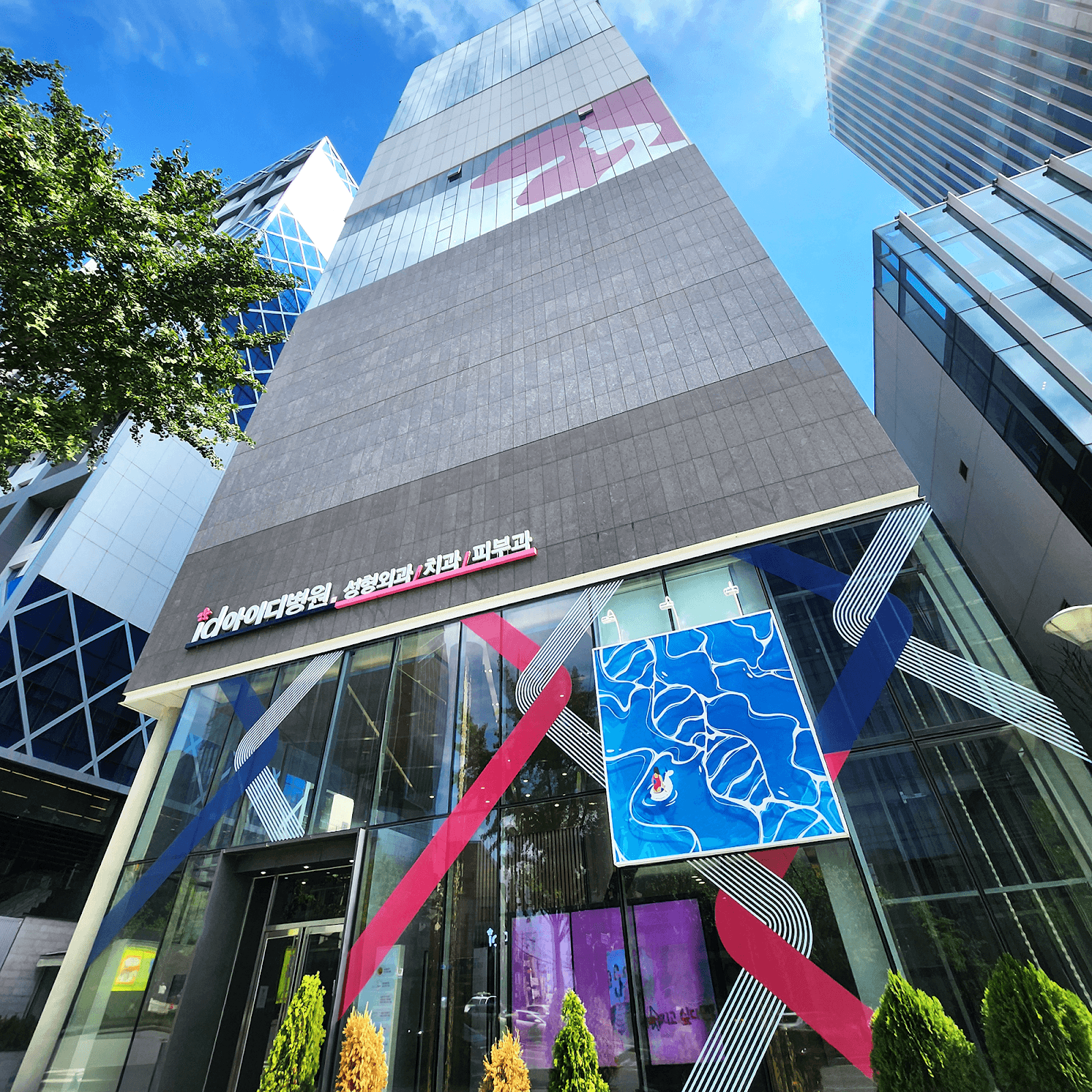
ID Hospital
Seoul
4.8(1,792)
Korea's leading facial contouring hospital (est. 1995) in a 16-floor Gangnam building with hospital-level safety including 30 inpatient beds, blood bank, and ambulance; over 6,000 facial bone surgeries.
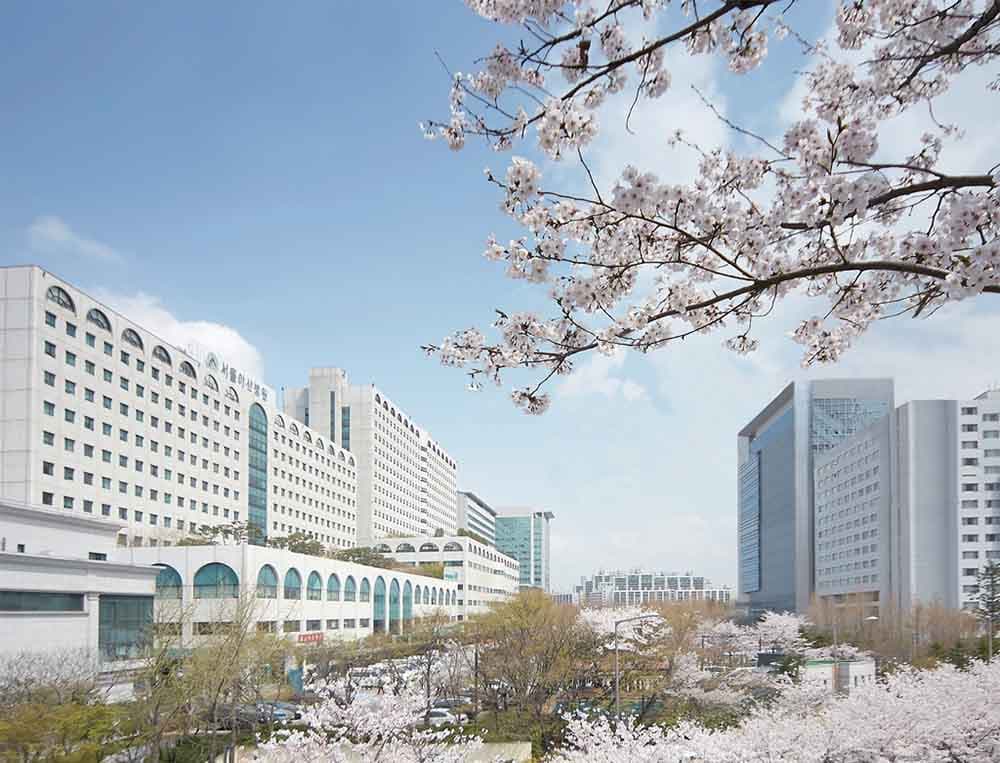
Asan Medical Center
Seoul
4.0(564)
South Korea's largest hospital (2,432 beds) and the country's most respected medical institution for 20 consecutive years; ranked in Newsweek's world top 10 in six specialties.
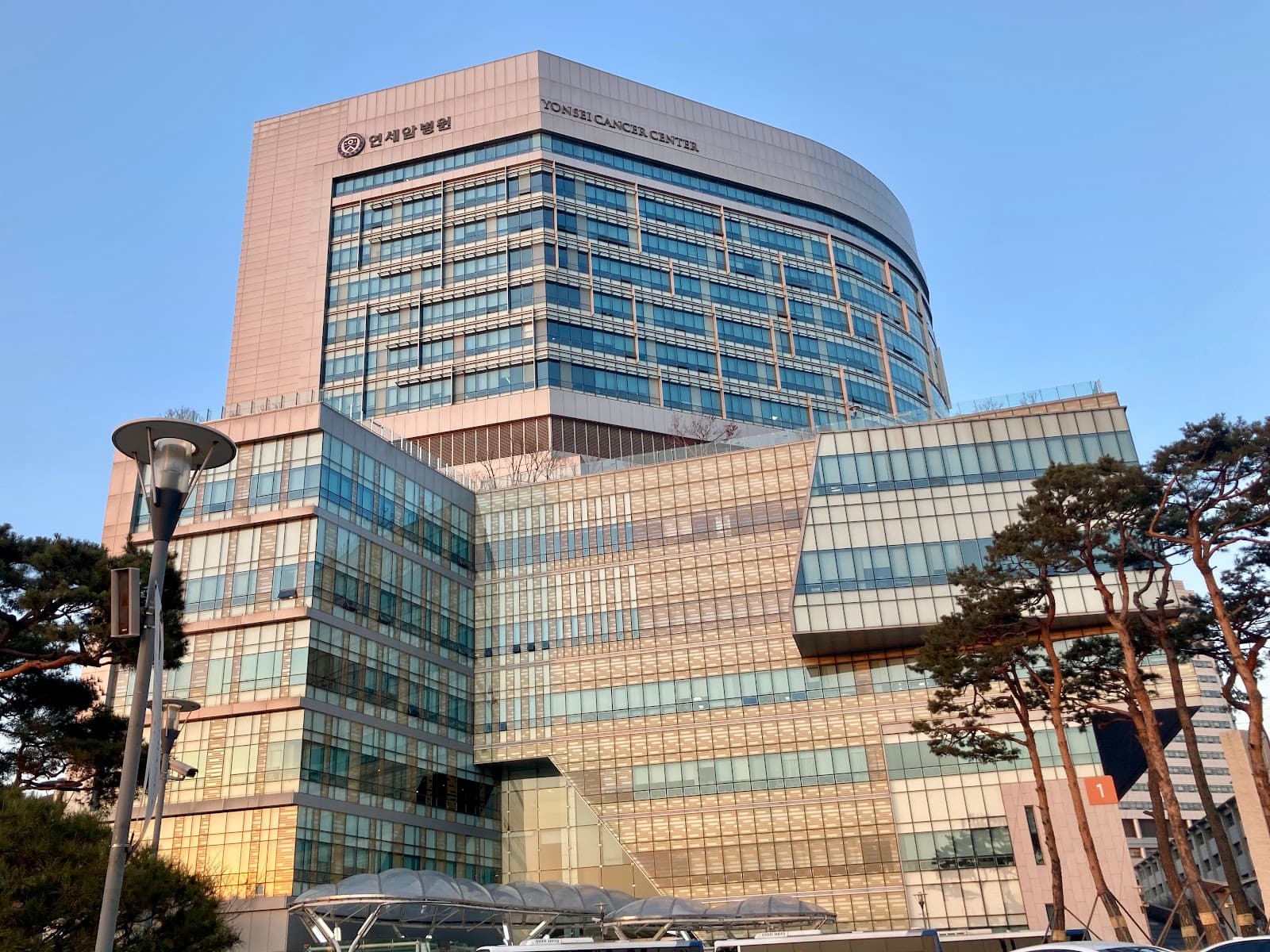
Severance Hospital, Yonsei University Health System
Seoul
3.8(473)
Korea's first Western-style hospital (founded 1885) and the most visited by foreign patients; JCI-accredited since 2007, with 2,437 beds treating 2.5 million outpatients annually.
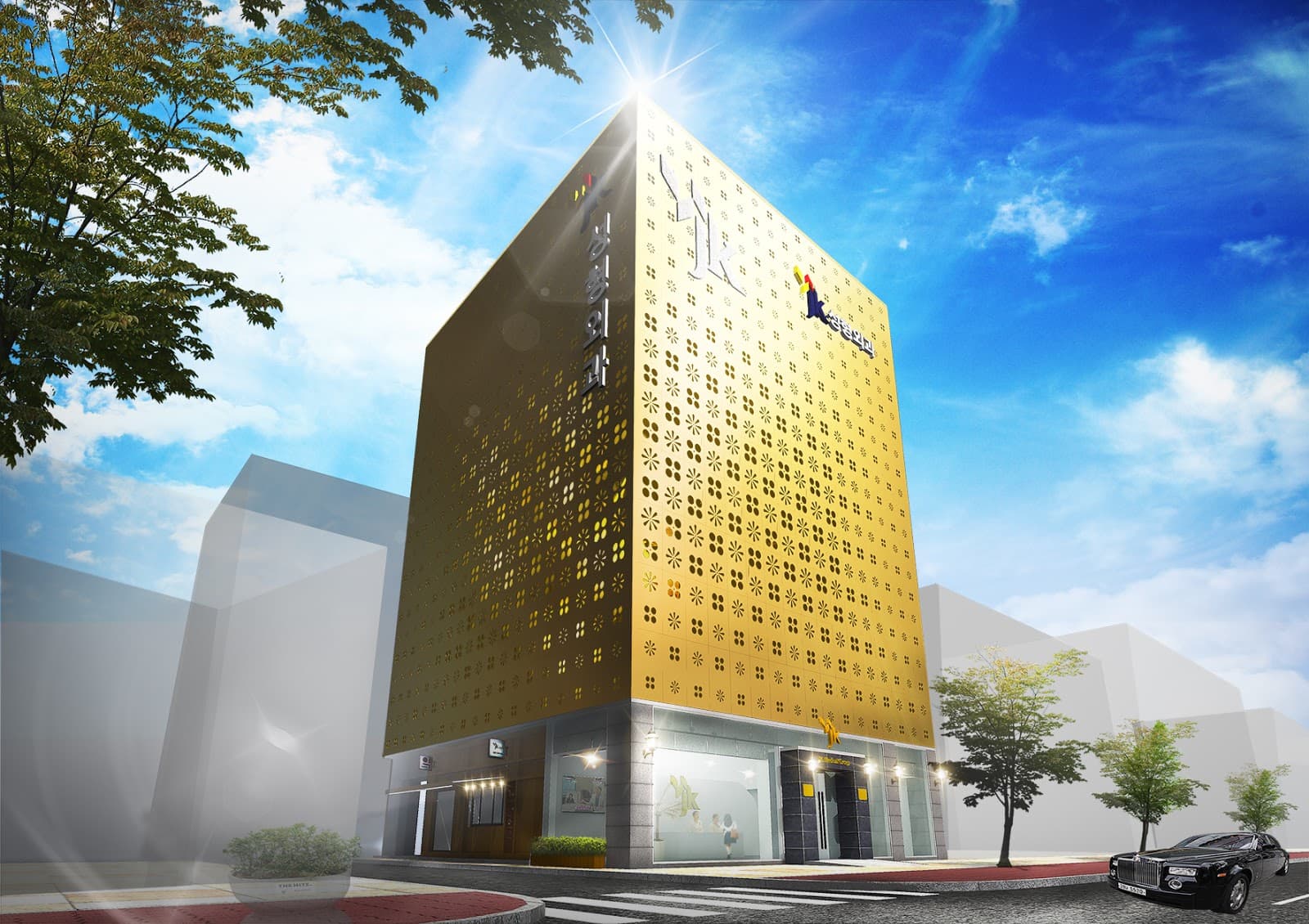
JK Plastic Surgery Center
Seoul
4.5(105)
Korea's first and only plastic surgery clinic designated by government as a "good medical institution for foreign patients," with KHAF certification for four consecutive cycles; over 100,000 procedures.
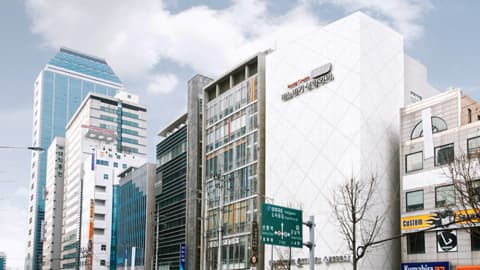
Banobagi Plastic Surgery
Seoul
4.4(233)
Korean Ministry of Health-certified safe plastic surgery hospital (est. 2000), led by Seoul National University graduates with 20+ years of specialized experience.
Recovery & logistics
Plan your Rhinoplasty trip around 0 nights in hospital.
- 0 nights in hospital
- ~10 days total trip
- safe to fly home after ~10 days
- back to work in ~10 days
- a travel companion is recommended
Typical recovery timeline (population averages, not a personal prognosis)
- Initial RecoverySwelling and bruising peak.
- Splint RemovalSplint and stitches removed.
- Subacute RecoverySwelling reduces, breathing improves.
- Final HealingNasal shape stabilizes.
- Full ResultsFinal results visible.
Visa: Visa Free (90 days) · Main airport: ICN · English proficiency: Moderate.
Why South Korea for Rhinoplasty
What draws patients to South Korea for this procedure.
- World capital of rhinoplasty
- Gangnam specialist clinics
- Highest volume of nose surgery
- Korean aesthetic innovation
- Refined natural result focus
Frequently asked questions
What accreditation should I verify for rhinoplasty surgeons in South Korea?
What does a rhinoplasty package include in South Korea?
What rhinoplasty techniques are used in South Korea?
What aftercare follows rhinoplasty in South Korea?
How do insurance and payment work for rhinoplasty in South Korea?
What is the difference between open and closed rhinoplasty?
When will the final shape of my nose be visible?
What happens if I am not satisfied with my rhinoplasty results?
Who is a good candidate for rhinoplasty?
What scarring should I expect from rhinoplasty?
Ready to explore Rhinoplasty in South Korea?
Get matched with vetted hospitals, build a personalised cost estimate, or compare destinations side by side. No obligation, just clear, sourced information to help you decide.
- 9 hospitals listed on CureMeridian
- 4.4★ from 5,062 Google reviews
- Up to 57% less than at home