
Medical Tourism in South Korea
Save 46% avg on costs and 82% on wait times vs US

- 10 hospitals listed on CureMeridian
- 4.4★ from 5,646 Google reviews
- Up to 46% less than at home
Scores are calculated by our algorithm, not paid for by hospitals.
South Korea at a Glance
Hospitals
10 listed
Provider Rating (Average)
4.4 / 5.0
5,646 Google reviews
Visa
Visa Free (90 days)
English
Moderate
US Advisory
Low Risk
Level 1 of 4
Tourism
11M visitors/yr
2023 data
Sources: US State Department, World Bank 2024, EF EPI
Data sources: Travel advisory, US State Department (as of Jun 2026) · Exchange rate, ECB / Frankfurter (as of May 2026) · Safety & health indices, World Bank 2023. Figures are indicative reference data, kept current and reviewed, not a guarantee.
Is South Korea right for you?
Why patients choose South Korea
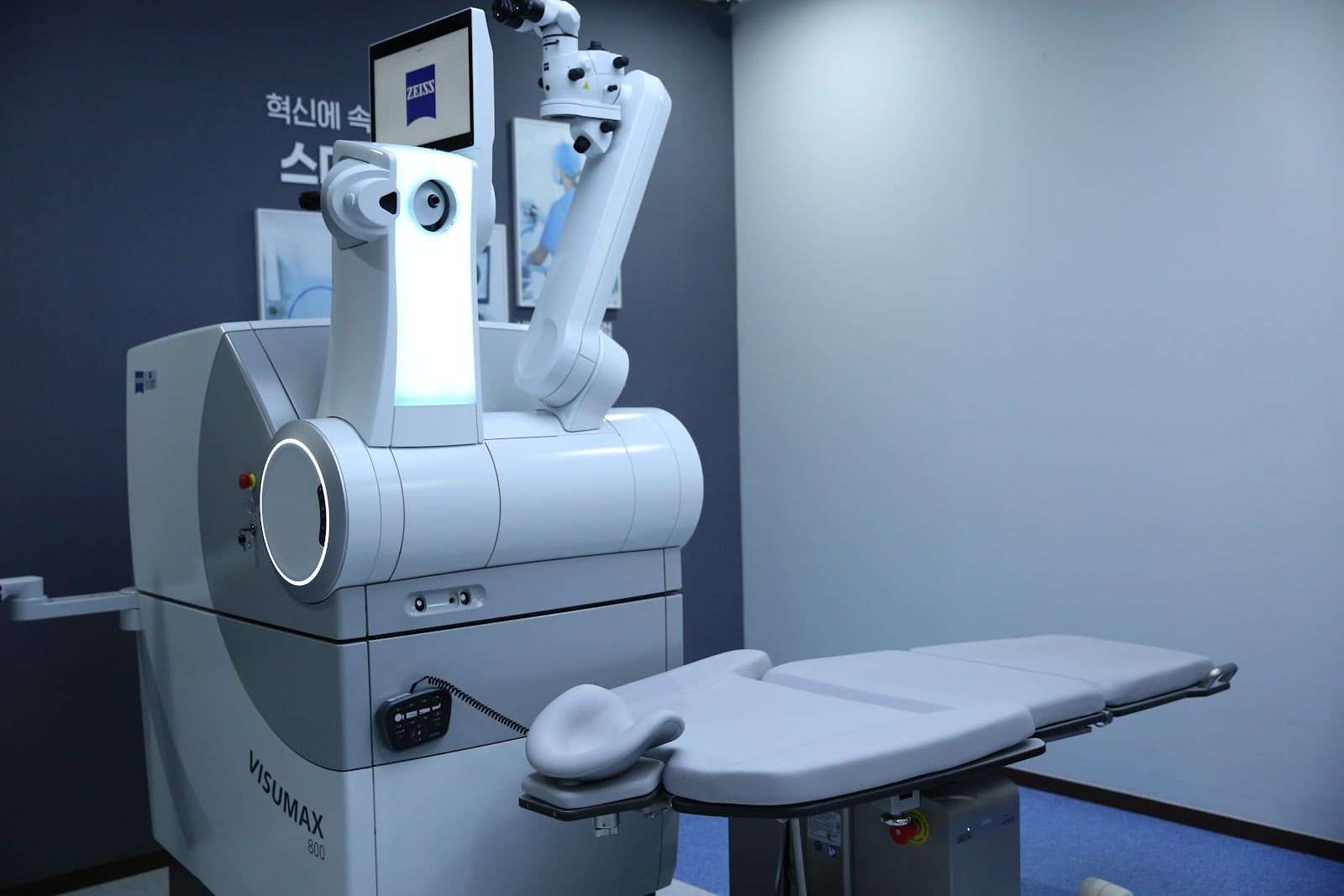
- World leader in medical technology and robotics
- Cutting-edge hospital equipment and facilities
- Gangnam medical district with specialist clusters
- Strong government support for medical tourism
- High volume of international patients annually
Good to know before you go
- Premium pricing vs SE Asia
- Cold harsh winters
- Confirm English coordinator
- Korean beauty standards differ
- Smaller hospital selection
Before you go
- Request English-speaking surgeon
- Download Papago translator app
- Book hotel in Gangnam district
- Bring reference photos for consult
- Get lab work done before travel
This guide is for general information only. Travel advisories, visa rules, and hospital availability change frequently. Always verify current conditions before making decisions. Advisory source: US State Department.
Procedures in South Korea
Select a procedure to see hospitals. Costs compared to US prices.


Hospitals in South Korea
Reviews from Google, not paid for by hospitals. Select up to 5 hospitals to compare.
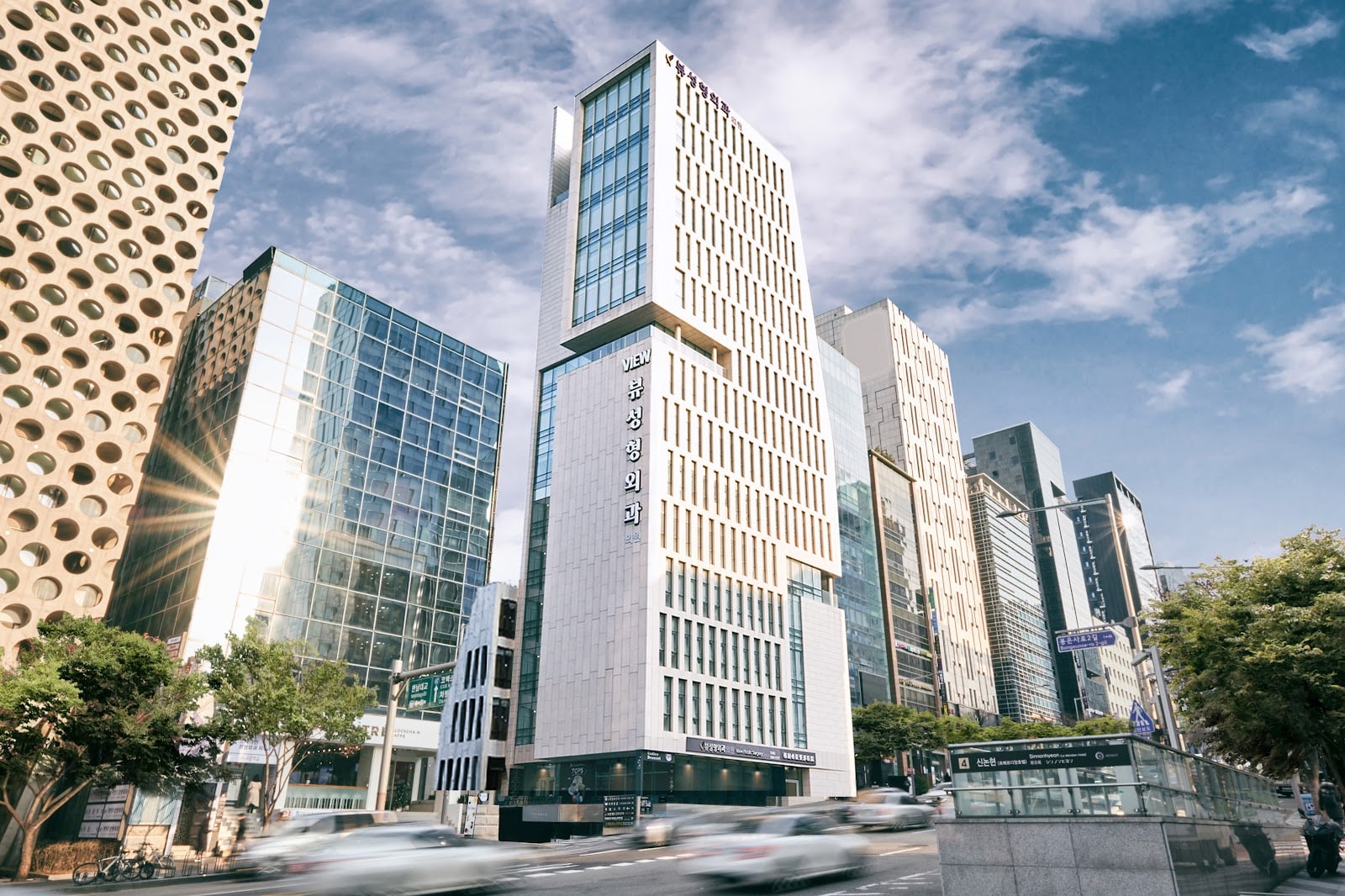


JK Plastic Surgery Center

Banobagi Plastic Surgery

Seoul National University Hospital (SNUH)


Severance Hospital, Yonsei University Health System
Frequently Asked Questions
How do I navigate Seoul's transportation to get to hospitals?
Seoul has one of the world's best public transit systems, and most major hospitals are directly connected to subway stations. Purchase a T-Money card at any convenience store or subway station for 2,500-4,000 KRW and use it on buses, subways, and taxis. For taxi rides, download Kakao T (Korea's dominant ride-hailing app with about 90% market share), which has full English language support and accepts international credit cards.
Can I buy over-the-counter medicine at Korean pharmacies?
Pharmacies (marked with a green cross and the Korean character for medicine) are abundant, with most neighborhoods having several within walking distance. Foreigners can purchase OTC medicines by presenting a passport and describing their symptoms to the pharmacist. Common Western equivalents like Tylenol and ibuprofen are available, though medications are typically dispensed by the pharmacist rather than self-selected from shelves. Note that pseudoephedrine (Sudafed) requires a prescription in Korea.
Is tap water safe to drink in South Korea?
Tap water in South Korea meets strict safety standards and is safe to drink, though most locals and visitors prefer bottled water out of personal preference. Convenience stores and vending machines sell bottled water for around 800-1,500 KRW. Korean food hygiene standards are high, and food from restaurants, markets, and street vendors is generally safe to consume.
What accommodation options are available near hospitals in Seoul?
Seoul's Gangnam district, home to many medical tourism hospitals, has extensive accommodation ranging from 4-star hotels to serviced apartments. For extended recovery stays, medical guesthouses and monthly rental apartments near clinics typically cost $60-120 per night or $1,500-2,500 per month. Look for accommodation on flat ground within a 10-minute walk of your hospital or along its shuttle bus route for convenient outpatient follow-ups.
What cultural etiquette should I be aware of during hospital visits in Korea?
Koreans value respect and courtesy, especially toward elders and medical staff. When receiving items such as documents or medications, use both hands as a sign of respect. Remove your shoes when entering certain treatment rooms if instructed. Family members or hired caregiving aides are commonly expected to assist with non-medical support such as meals and personal care during inpatient stays, so plan to have a companion available.
Costs are estimates, actual prices vary by hospitalAdvisory data: US State Department, UK FCDORankings are algorithm-based, not paid for by clinics
Start your South Korea medical journey
Get a free, personalized hospital shortlist. No obligation. Human-reviewed.