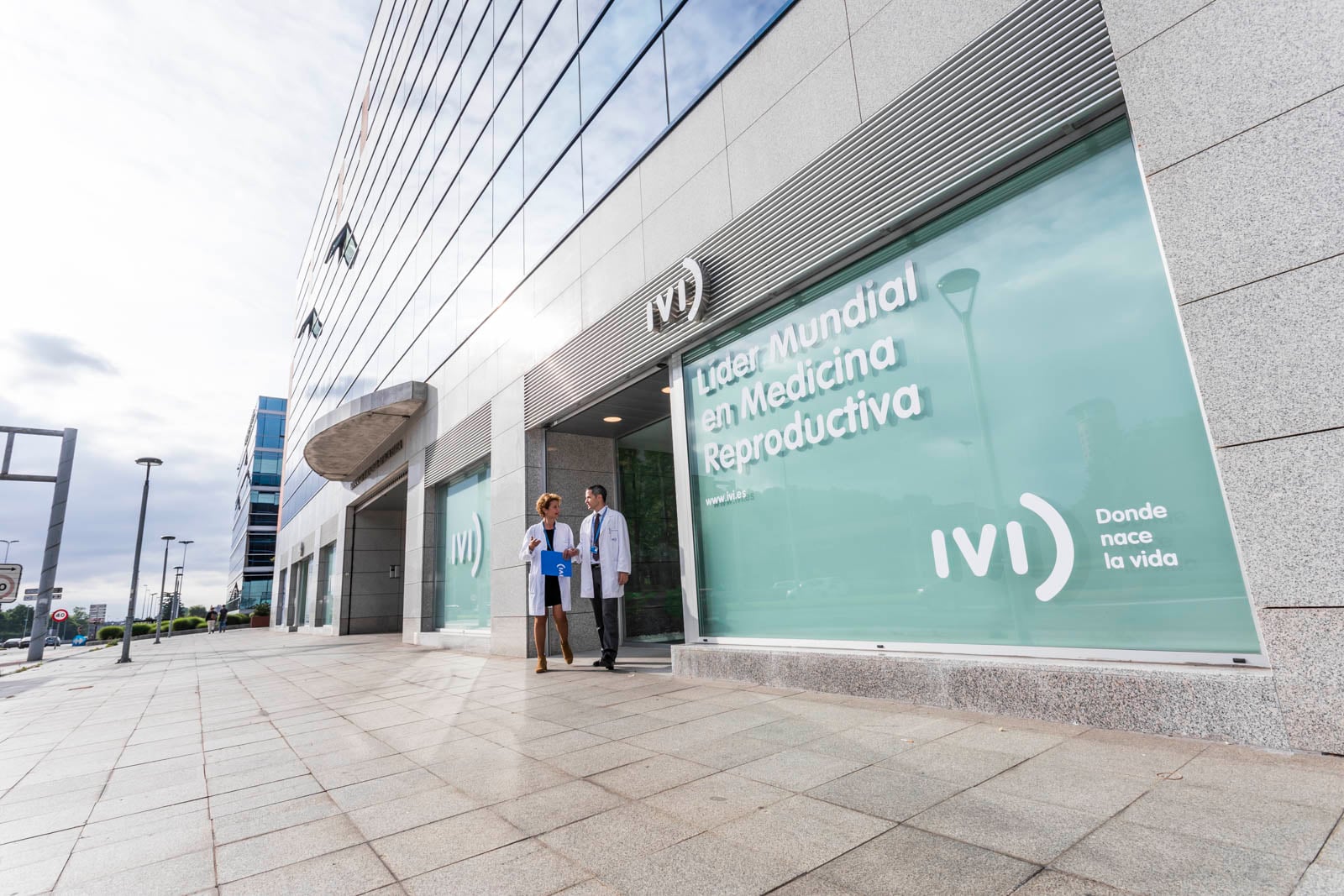
IVI Bilbao
Bilbao, Spain
4.8Google(684 reviews)
Reproductive MedicineFertility TreatmentsAssisted Reproduction
Hospital in Valencia, Spain
Official websiteListing is not an endorsement. Rankings are not paid for by hospitals.
Price bracket
Premium
CureMeridian estimate, not a quote
Google Rating
3.9 / 5.0
511 reviews
Intl Patient Dept
No
Nearest Airports
VLC, MAD
Valencia Airport
MD, Director
Reproductive Medicine
35+ years of experience
Areas of expertise
As the Director of Equipo Juana Crespo, Dr. Juana Crespo is a leading expert in Reproductive Medicine, renowned for her innovative approaches to fertility treatments. With over 35 years of experience, she specializes in high-complexity reproductive medicine, focusing on personalized protocols for patients facing infertility challenges. Dr. Crespo is dedicated to achieving successful outcomes through advanced reproductive technologies and a compassionate approach to patient care.
Speaks: English, Spanish
MD, Specialist
Reproductive Medicine
10+ years of experience
Areas of expertise
Dr. Sara Fortuño is a dedicated Reproductive Medicine specialist at Equipo Juana Crespo, known for her expertise in assisted reproduction techniques. With a focus on patient-centered care, she works closely with couples to navigate their fertility journeys, employing the latest advancements in reproductive technology. Dr. Fortuño is committed to providing comprehensive evaluations and tailored treatment plans to enhance the chances of conception.
Speaks: English, Spanish
Doctor information is sourced from the hospital's website and may not be exhaustive or current.
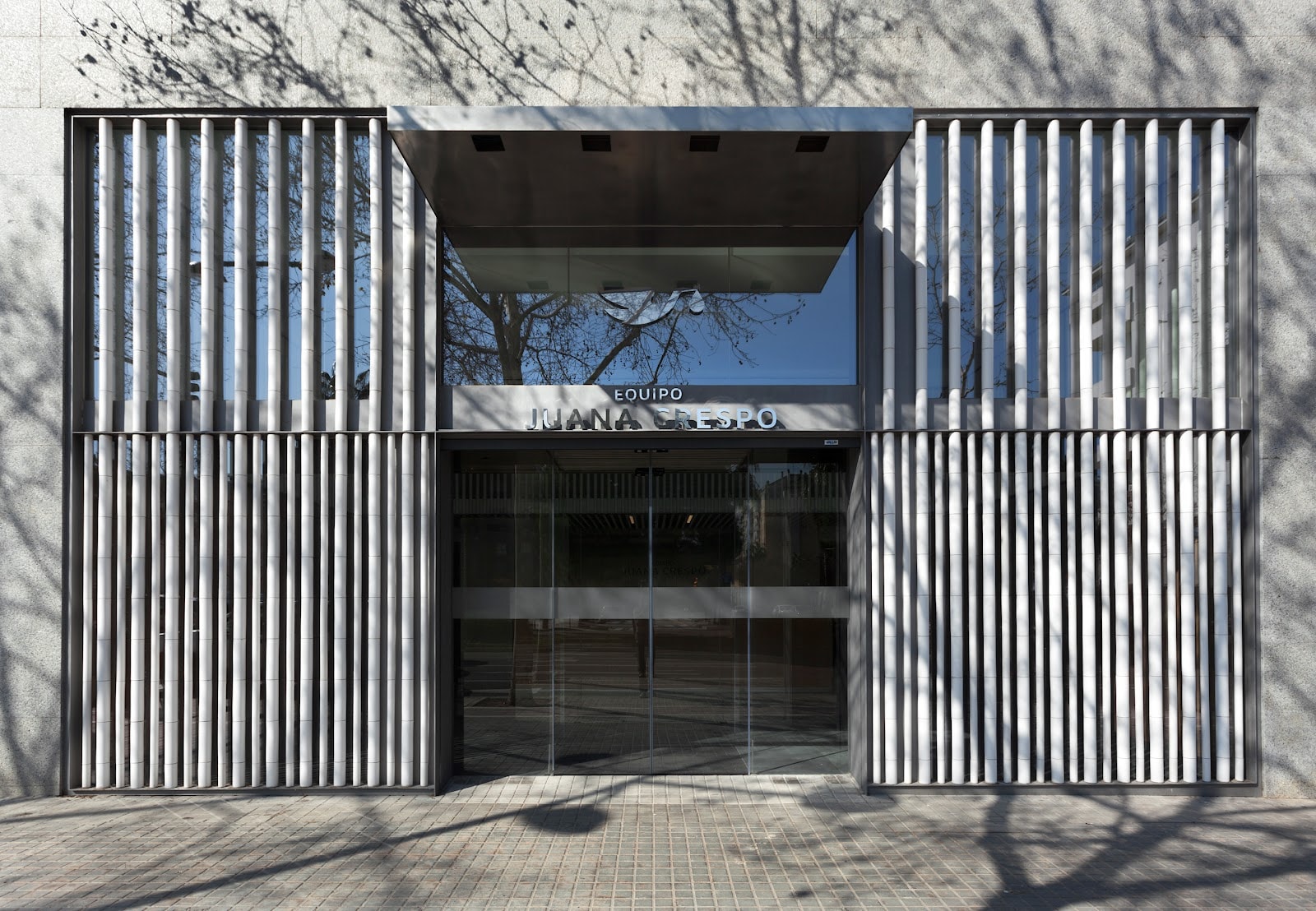
6,000 sqm Valencia fertility center led by Dr. Juana Crespo with 30+ years of experience, specializing in the most complex cases and pioneering telemedicine in assisted reproduction.
Hospitals
12 listed
Provider Rating (Average)
4.1 / 5.0
17,355 Google reviews
Visa
Visa Free (90 days)
English
Moderate
US Advisory
Exercise Caution
Level 2 of 4
Tourism
85M visitors/yr
2023 data
Sources: US State Department, EF EPI
Learn more about SpainThis guide is for general information only. Travel advisories, visa rules, and hospital availability change frequently. Always verify current conditions before making decisions. Advisory source: US State Department.
Spanish pharmacies (farmacias), marked by a green cross sign, follow a pharmacist-led model where many medications available only by prescription elsewhere can be purchased over the counter under pharmacist supervision — including standard-dose pain relievers, antacids, antihistamines, and sleep aids like melatonin. Antibiotics strictly require a prescription from a licensed doctor. Every neighborhood has a rotating farmacia de guardia (duty pharmacy) open nights and weekends, with its address posted on the door of every closed pharmacy.
Tap water is safe to drink throughout Spain and meets EU quality standards — Madrid's water is considered among the purest in Europe. In coastal areas, the water is safe but may have a mineral taste from desalination, so many people prefer bottled water for flavor. Restaurants typically serve bottled water by default and will charge for it; you can request tap water (agua del grifo) for free, though not all establishments honor this.
Tipping in Spain is a gesture of appreciation rather than an obligation, as service staff receive proper wages under Spanish labor law. In restaurants, rounding up the bill or leaving 5-10% for good service is standard; many locals simply leave loose change. There is no tipping expectation at hospitals or clinics. Spain uses the Euro, and credit cards are widely accepted, though it is helpful to carry small bills and coins for tips and small purchases.
Spain has one of Europe's best public transport networks, with metros in Madrid, Barcelona, and Valencia providing direct access to major hospital districts. Uber operates in Madrid and Barcelona, and Cabify is a popular local alternative available in most Spanish cities. High-speed AVE trains connect major medical hubs — Madrid to Barcelona takes 2.5 hours — making it practical to travel between cities for specialist consultations.
Spain's mild Mediterranean climate makes it a year-round destination for medical travel, though summer temperatures in inland cities like Madrid can exceed 40°C (104°F), which may be uncomfortable during post-surgical recovery. Spring (April-May) and autumn (September-October) offer the most pleasant recovery weather with temperatures around 20-25°C. Coastal cities like Barcelona and Valencia benefit from sea breezes, and many recovery-oriented accommodations offer shaded terraces and air conditioning as standard.
Bilbao, Spain
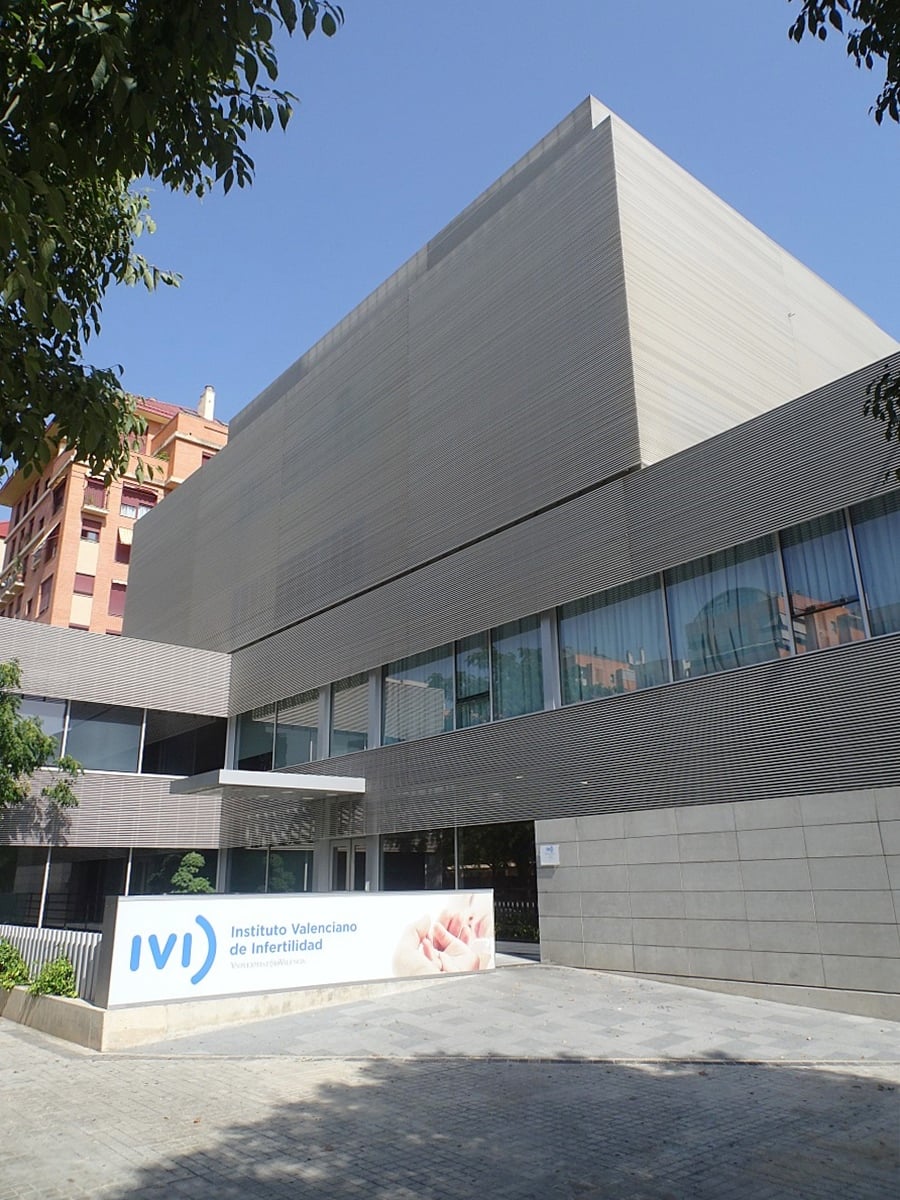
Valencia, Spain

Madrid, Spain
Costs are estimatesHospital data from public listingsRankings not paid for by hospitals
Tell us about your procedure and preferences, we'll help you get started.