
Medical Tourism in Spain
Save 57% avg on costs and 68% on wait times vs US

- 12 hospitals listed on CureMeridian
- 4.1★ from 17,355 Google reviews
- Up to 57% less than at home
Scores are calculated by our algorithm, not paid for by hospitals.
Spain at a Glance
Hospitals
12 listed
Provider Rating (Average)
4.1 / 5.0
17,355 Google reviews
Visa
Visa Free (90 days)
English
Moderate
US Advisory
Exercise Caution
Level 2 of 4
Tourism
85M visitors/yr
2023 data
Sources: US State Department, World Bank 2024, EF EPI
Data sources: Travel advisory, US State Department (as of Jun 2026) · Exchange rate, ECB / Frankfurter (as of May 2026) · Safety & health indices, World Bank 2023. Figures are indicative reference data, kept current and reviewed, not a guarantee.
Is Spain right for you?
Why patients choose Spain
- EU-regulated healthcare with high standards
- Mediterranean climate ideal for recovery
- Established medical tourism hubs in major cities
- High patient satisfaction rates
- Well-connected airports with direct flights worldwide
Good to know before you go
- August limits hospital capacity
- Siesta hours affect scheduling
- Costlier than Asian destinations
- Request English coordinator early
- Regional language differences
Before you go
- Book fertility consult remotely
- Request EHIC if EU resident
- Learn basic Spanish phrases
- Plan around August closures
- Arrange pharmacy prescription transfer
This guide is for general information only. Travel advisories, visa rules, and hospital availability change frequently. Always verify current conditions before making decisions. Advisory source: US State Department.
Procedures in Spain
Select a procedure to see hospitals. Costs compared to US prices.


Hospitals in Spain
Reviews from Google, not paid for by hospitals. Select up to 5 hospitals to compare.
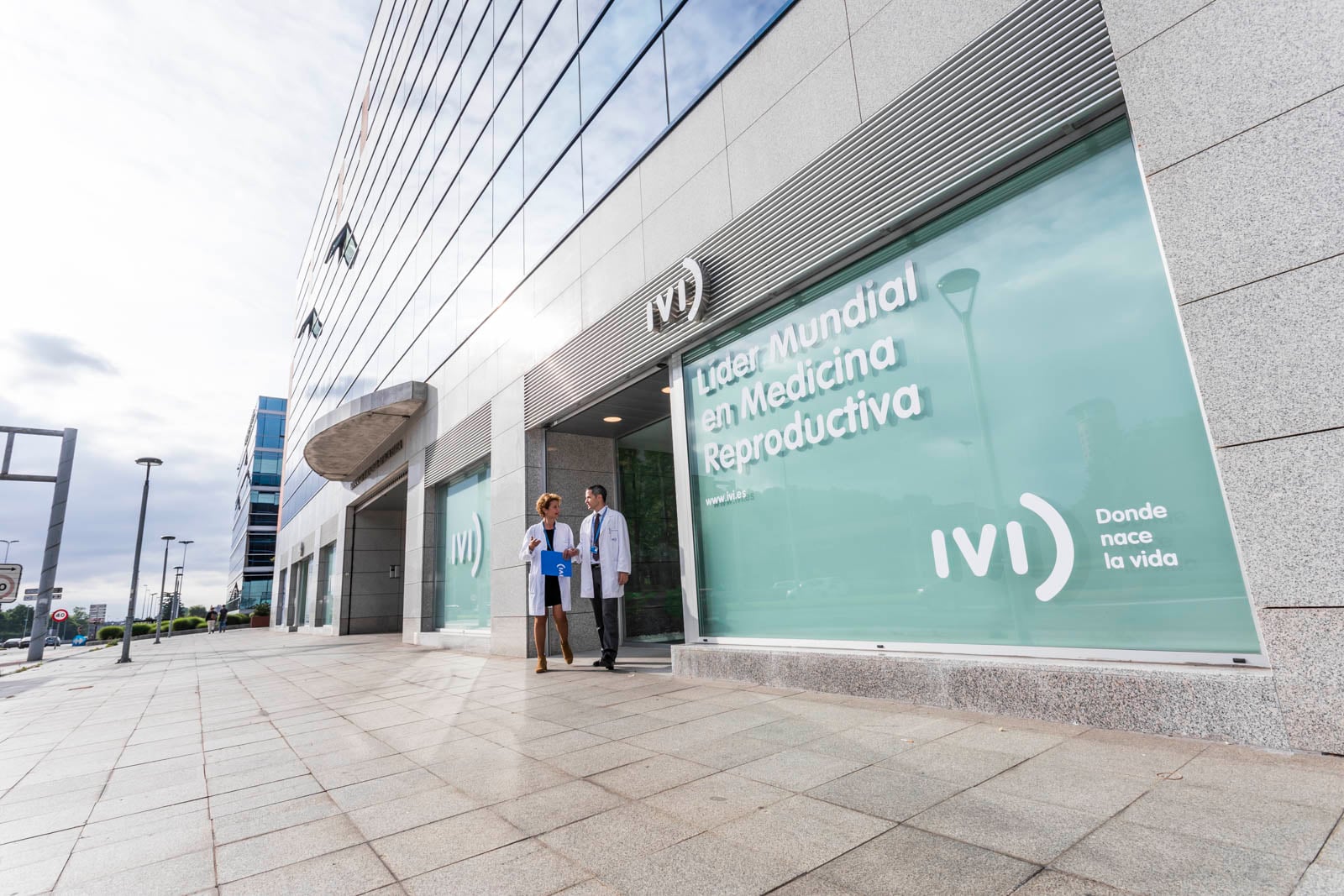
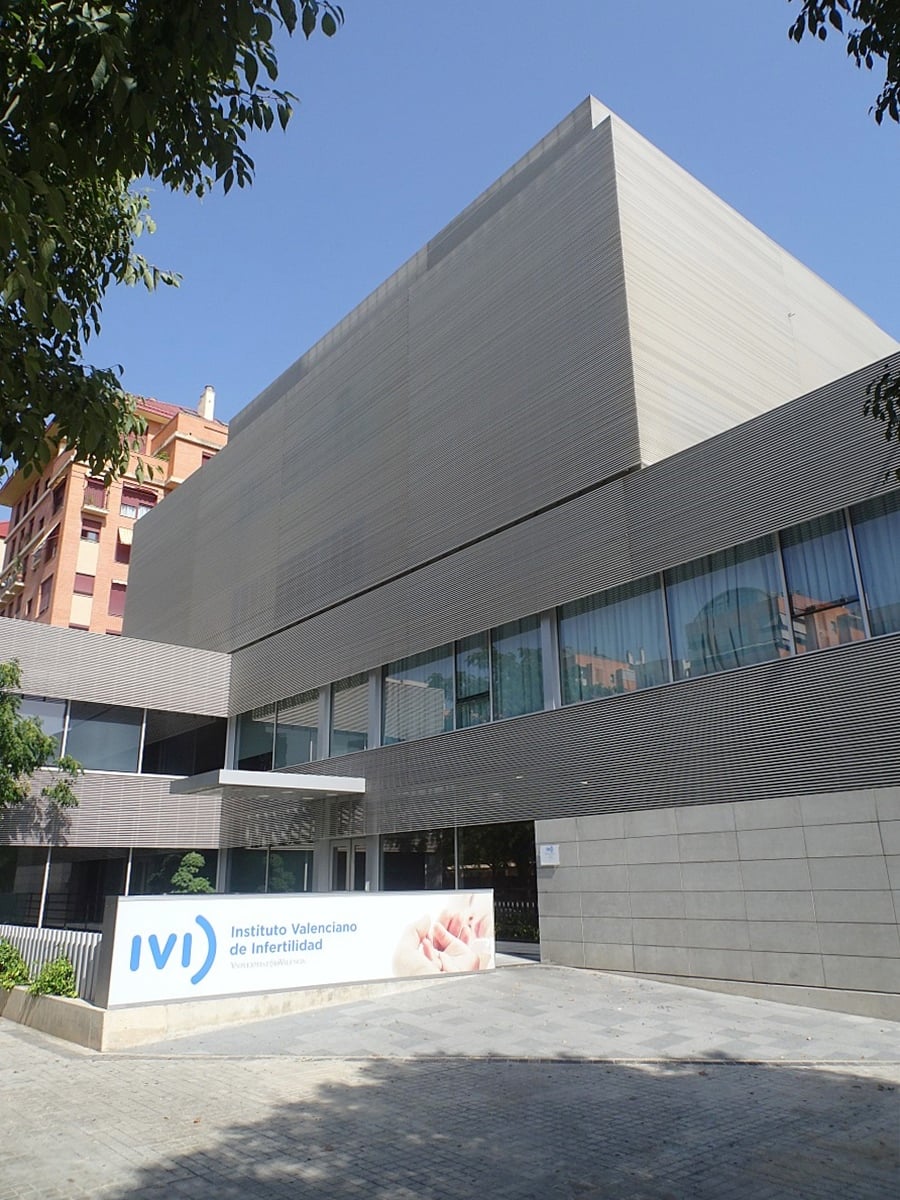


Clínica Universidad de Navarra Madrid

Centro Médico Teknon (Fertility Barcelona)

Hospital Universitari Dexeus (Dexeus Mujer)

Hospital Universitario Quirónsalud Madrid
Frequently Asked Questions
How do pharmacies work in Spain, and what can I buy without a prescription?
Spanish pharmacies (farmacias), marked by a green cross sign, follow a pharmacist-led model where many medications available only by prescription elsewhere can be purchased over the counter under pharmacist supervision — including standard-dose pain relievers, antacids, antihistamines, and sleep aids like melatonin. Antibiotics strictly require a prescription from a licensed doctor. Every neighborhood has a rotating farmacia de guardia (duty pharmacy) open nights and weekends, with its address posted on the door of every closed pharmacy.
Is tap water safe to drink in Spain?
Tap water is safe to drink throughout Spain and meets EU quality standards — Madrid's water is considered among the purest in Europe. In coastal areas, the water is safe but may have a mineral taste from desalination, so many people prefer bottled water for flavor. Restaurants typically serve bottled water by default and will charge for it; you can request tap water (agua del grifo) for free, though not all establishments honor this.
What is the tipping custom in Spain?
Tipping in Spain is a gesture of appreciation rather than an obligation, as service staff receive proper wages under Spanish labor law. In restaurants, rounding up the bill or leaving 5-10% for good service is standard; many locals simply leave loose change. There is no tipping expectation at hospitals or clinics. Spain uses the Euro, and credit cards are widely accepted, though it is helpful to carry small bills and coins for tips and small purchases.
How do I get around Spanish cities to reach hospital appointments?
Spain has one of Europe's best public transport networks, with metros in Madrid, Barcelona, and Valencia providing direct access to major hospital districts. Uber operates in Madrid and Barcelona, and Cabify is a popular local alternative available in most Spanish cities. High-speed AVE trains connect major medical hubs — Madrid to Barcelona takes 2.5 hours — making it practical to travel between cities for specialist consultations.
What should I know about seasonal weather and recovery conditions in Spain?
Spain's mild Mediterranean climate makes it a year-round destination for medical travel, though summer temperatures in inland cities like Madrid can exceed 40°C (104°F), which may be uncomfortable during post-surgical recovery. Spring (April-May) and autumn (September-October) offer the most pleasant recovery weather with temperatures around 20-25°C. Coastal cities like Barcelona and Valencia benefit from sea breezes, and many recovery-oriented accommodations offer shaded terraces and air conditioning as standard.
Costs are estimates, actual prices vary by hospitalAdvisory data: US State Department, UK FCDORankings are algorithm-based, not paid for by clinics
Start your Spain medical journey
Get a free, personalized hospital shortlist. No obligation. Human-reviewed.