Dental Implants in Hungary: Cost, Safety & Hospitals
Sourced, dated facts on cost, safety and the most popular hospitals, to help you make an informed decision.
In short
Dental Implants in Hungary costs on average $800 (typically $600 to $1.0k). That is roughly 83% less than in Australia. We list 4 popular hospitals for this procedure.
Sourced data · 1 source.
Average cost
$800
Typical range
$600 to $1.0k
Savings vs home
up to 83%
vs Australia
Popular hospitals
4
- 4 hospitals listed on CureMeridian
- 4.8★ from 9,122 Google reviews
- Up to 83% less than at home
Scores are calculated by our algorithm, not paid for by hospitals.
Cost of Dental Implants in Hungary
Dental Implants in Hungary costs on average $800, ranging from $600 to $1.0k.
- Low
- $600
- Average
- $800
- High
- $1.0k
Typically includes: Consultation, Procedure, Follow-up.
Usually excluded: Travel expenses, Accommodation.
Sourced data · 1 source.
Savings vs your home country
Compared with prices at home, Dental Implants in Hungary can cost substantially less. Figures compare the average price in each market.
| Home country | Cost at home | You could save |
|---|---|---|
| United States | $4.0k | 80% |
| the UK | $3.0k | 73% |
| Canada | $3.8k | 79% |
| Australia | $4.8k | 83% |
| New Zealand | $4.5k | 82% |
| Ireland | $2.0k | 60% |
Wait times
Typical wait for Dental Implants in Hungary is around 14 days.
- Hungary: ~14 days
- United States (public system): ~21 days
- the UK (public system): ~180 days
- Canada (public system): ~84 days
- Australia (public system): ~120 days
- New Zealand (public system): ~150 days
- Ireland (public system): ~150 days
About Dental Implants
Dental Implants abroad typically involves local anaesthesia, about 1.5h in surgery, usually outpatient.
Read the full Dental Implants guide for how the procedure works and what to expect.
Is Dental Implants in Hungary safe?
Here is the factual safety picture, hospital ratings and track record, country health context, and published outcome statistics.
- Published success rate
- 95%
- Serious complication rate
- 2%
- Revision rate
- 10%
Population averages from published data, not a personal prognosis. Outcomes vary by individual; discuss your case with a qualified clinician.
Country health context: life expectancy 77 years.
US travel advisory: Exercise Normal Precautions.
Risks & complications
Being straight about risk is part of an informed decision. Dental Implants carries procedure and travel-specific risks.
Travelling after surgery: Ensure no bleeding or infection before flying.
Activity restrictions: Avoid strenuous activities for a few days.
Informational only, not medical advice. Discuss your individual risk with a qualified clinician.
Popular hospitals for Dental Implants in Hungary
These hospitals are frequently chosen for Dental Implants, ranked by patient ratings and review volume. Scores are calculated by our algorithm, not paid for by hospitals.
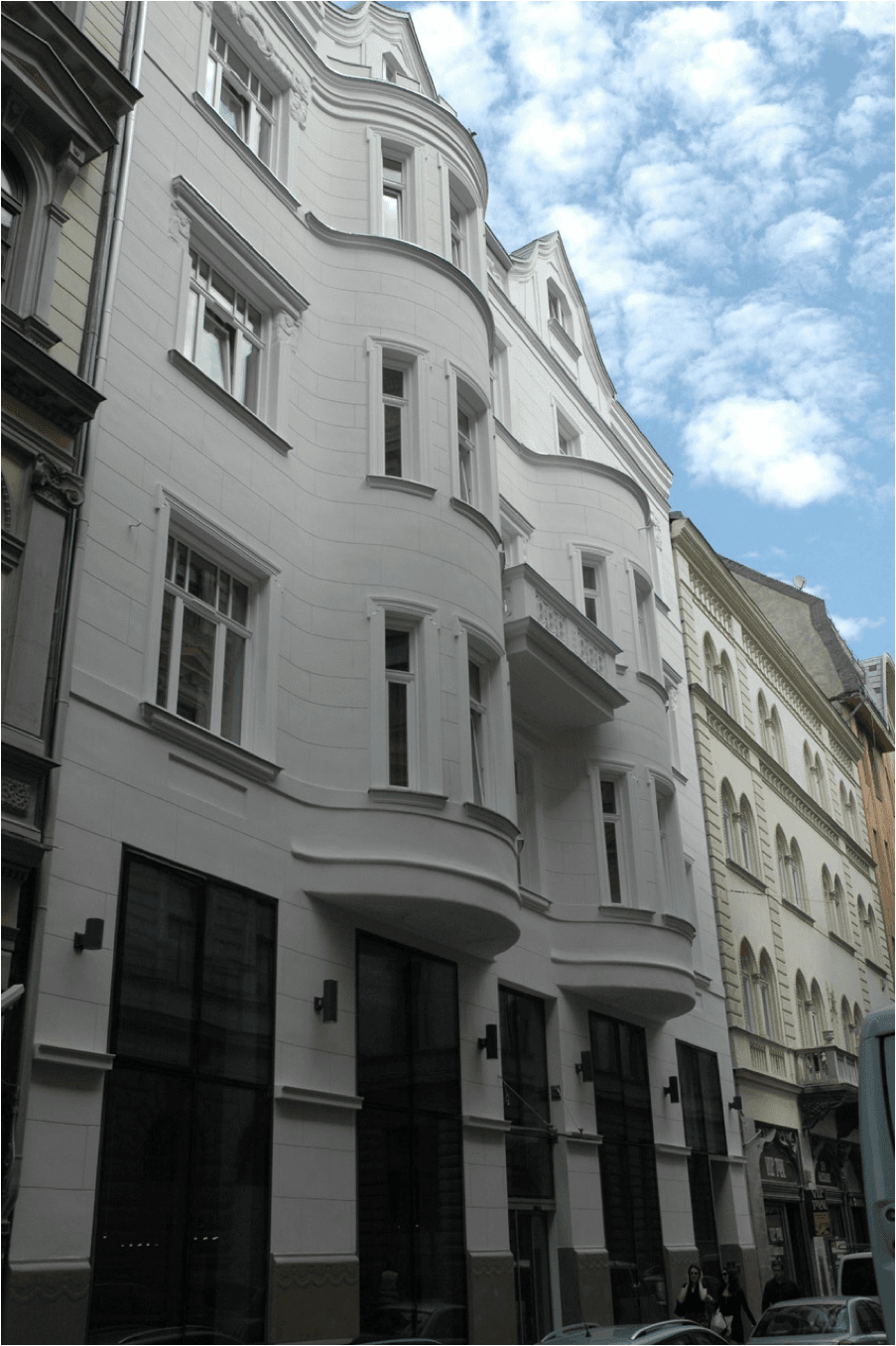
Helvetic Clinics Budapest
Budapest
4.9(3,445)
Swiss-managed dental clinic ranked "best dentists abroad" for four consecutive years, with a unique integrated clinic-hotel concept treating patients from over 32 countries.
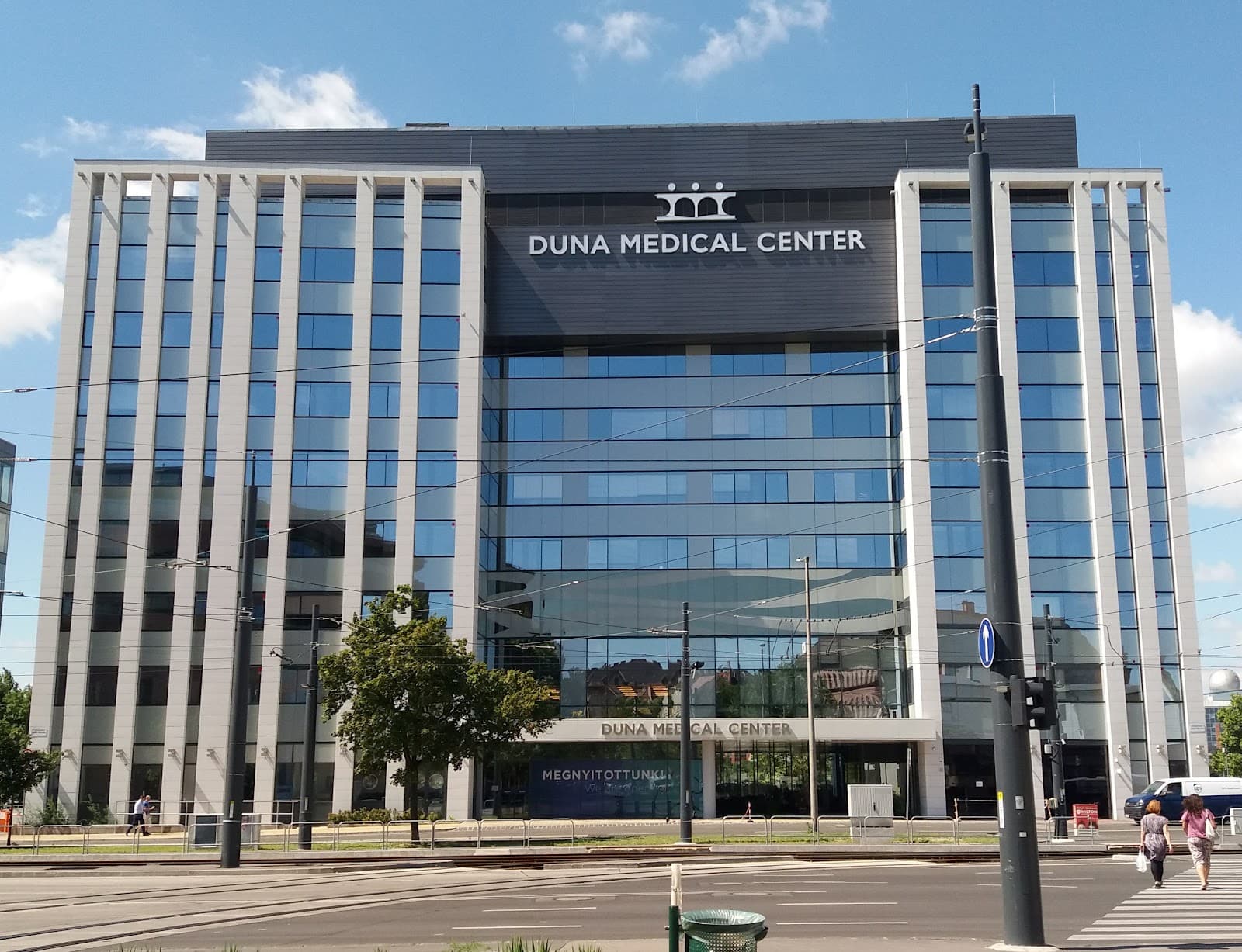
Duna Medical Center (Liv Duna)
Budapest
4.7(3,518)
One of Hungary's largest private hospitals (est. 2015) with 130 beds, seven operating theaters, and 120+ specialists covering approximately 45 medical specialties.

Madenta Dental Clinic (Madenta Fogászati Központ)
Budapest
4.9(1,728)
Over 200,000 patients treated since 2000, designated a Nobel Biocare "All-on-4 Center of Excellence" for the highest number of All-on-4 procedures in Budapest.
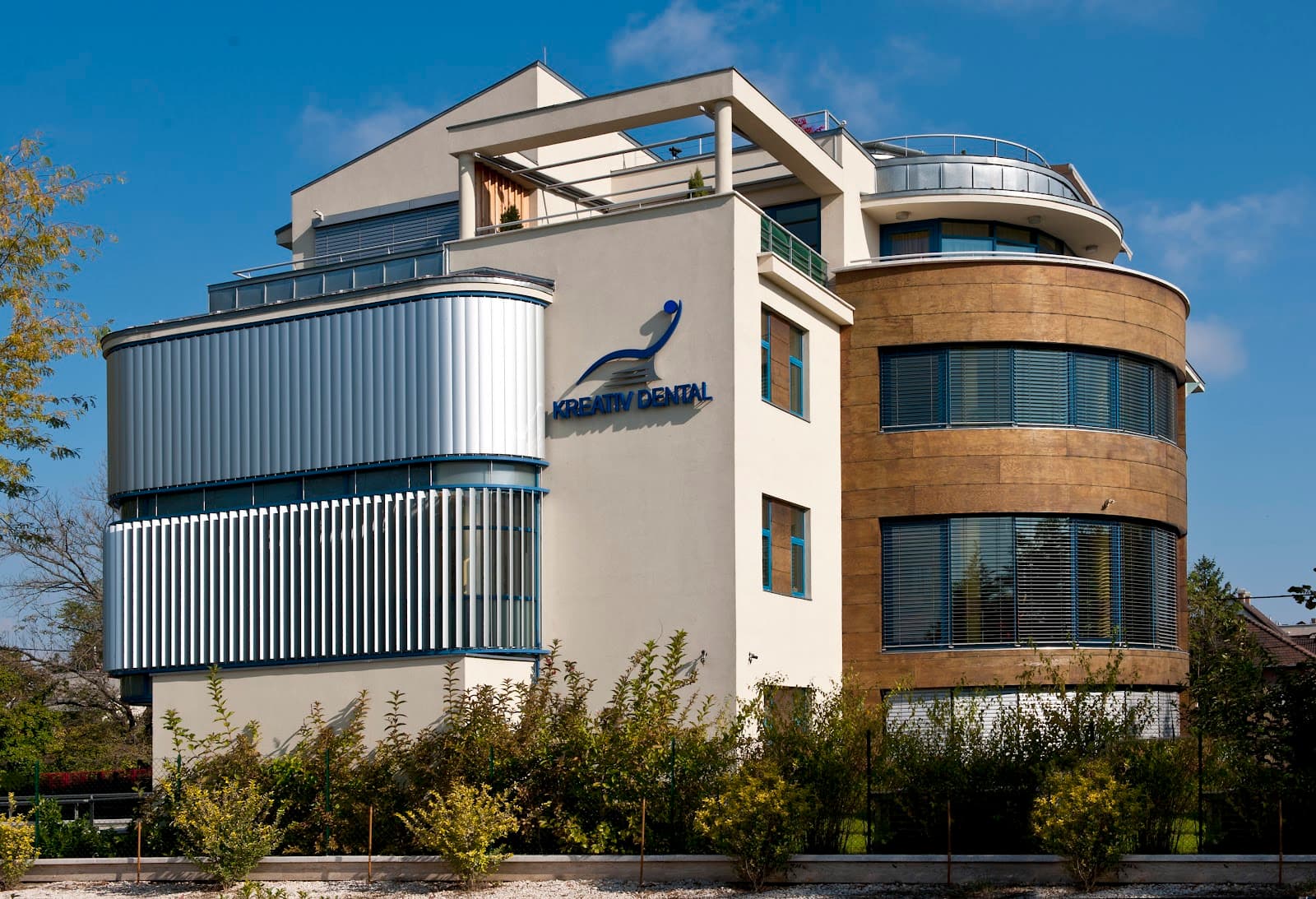
Kreativ Dental Clinic
Budapest
4.6(431)
Established in 1996, winner of the 2015 IMTJ Medical Travel Award for Europe's best dental clinic, treating 200-300 international patients monthly with Budapest's only in-house dental laboratory of its scale.
Recovery & logistics
Plan your Dental Implants trip around 0 nights in hospital.
- 0 nights in hospital
- ~7 days total trip
- safe to fly home after ~3 days
- back to work in ~3 days
Typical recovery timeline (population averages, not a personal prognosis)
- Initial HealingSwelling and discomfort.
- OsseointegrationBone fuses with implant.
- Final RecoveryGums heal and implant stabilizes.
Visa: Visa Free (90 days) · Main airport: BUD · English proficiency: High.
Why Hungary for Dental Implants
What draws patients to Hungary for this procedure.
- Europe dental tourism capital
- Decades of dental expertise
- Massive international volume
- In-house CAD/CAM technology
- Budapest spa post-treatment
Frequently asked questions
What accreditation standards should I verify for dental implant clinics in Hungary?
What is included in a dental implant package in Hungary?
What implant brands and placement technologies are used in Hungary?
What aftercare is provided after dental implant placement in Hungary?
How do payment and insurance work for dental implants in Hungary?
Who is a good candidate for dental implants?
What is the difference between titanium and zirconia implants?
What happens if a dental implant fails years after placement?
What dental records should I bring when traveling abroad for implants?
Will I need multiple trips abroad for dental implants?
Ready to explore Dental Implants in Hungary?
Get matched with vetted hospitals, build a personalised cost estimate, or compare destinations side by side. No obligation, just clear, sourced information to help you decide.
- 4 hospitals listed on CureMeridian
- 4.8★ from 9,122 Google reviews
- Up to 83% less than at home