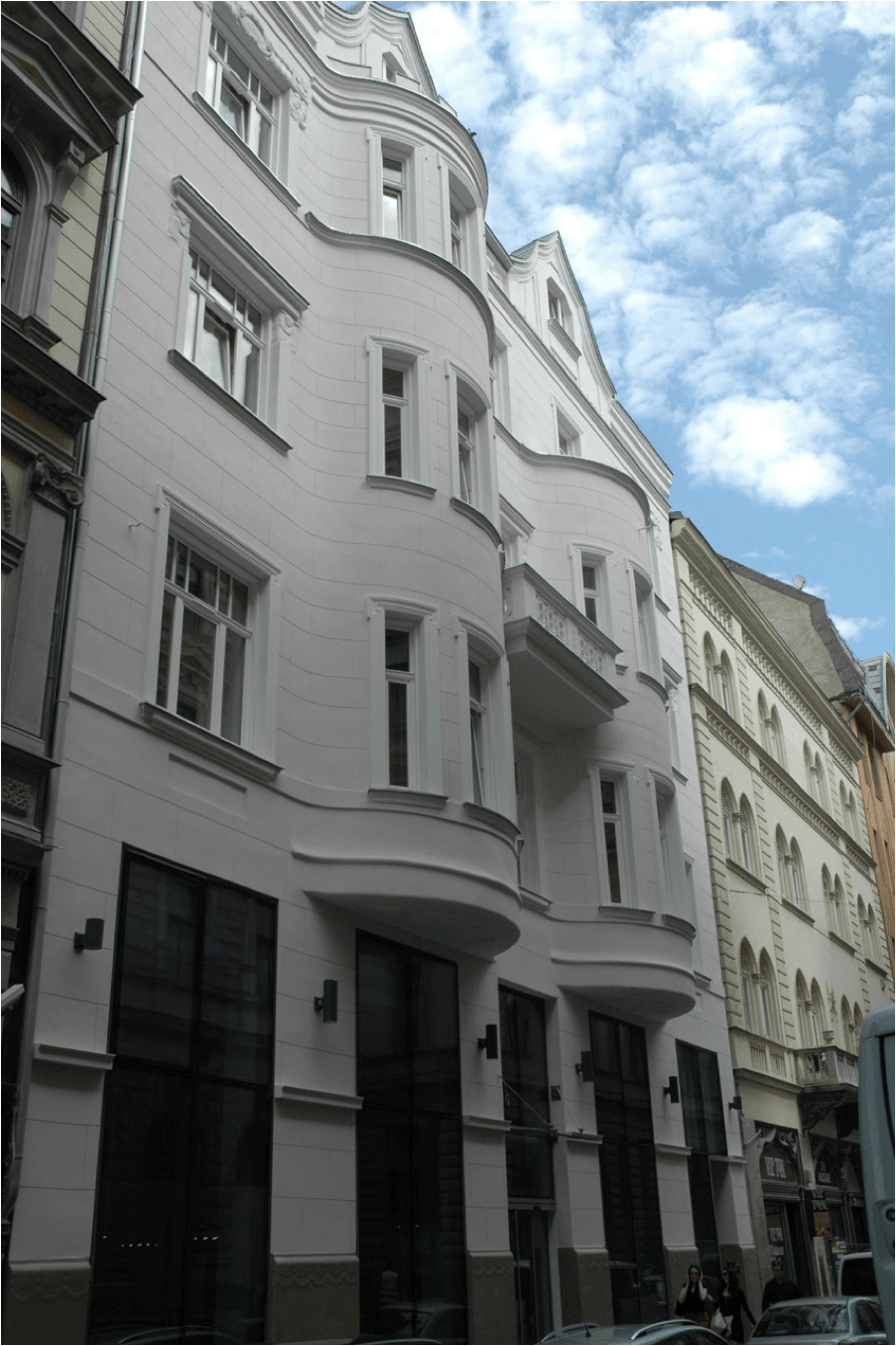
Helvetic Clinics Budapest
Budapest, Hungary
4.9Google(3445 reviews)
DentistryPeriodontologyImplantology+2
Hospital in Budapest, Hungary
Official websiteListing is not an endorsement. Rankings are not paid for by hospitals.
Price bracket
Standard
CureMeridian estimate, not a quote
Google Rating
4.8 / 5.0
492 reviews
Intl Patient Dept
No
Nearest Airports
BUD
Budapest Ferenc Liszt International Airport
MD, Head Ophthalmologist
head ophthalmologist
20+ years of experience
Dr. Beáta Gáspár is a Head Ophthalmologist at Optimum Vision Center, with nearly two decades of experience in refractive surgery. She graduated from the University of Debrecen and has been actively involved in professional training and congresses, contributing to advancements in ophthalmology.
MD, Head Physician
head physician of the institute
10+ years of experience
Areas of expertise
Dr. Árpád Dunai is the Head Physician at Optimum Vision Center, specializing in cataract and refractive surgery, glaucoma treatment, and blepharoplasty. With over ten years of experience, he has performed numerous eye surgeries and participated in live surgery presentations at ophthalmology congresses. He is a member of several scientific organizations, including the Hungarian Society of Ophthalmology.
MD, Head Ophthalmologist
head ophthalmologist
Dr. Csilla Palotás serves as a Head Ophthalmologist at Optimum Vision Center, focusing on comprehensive eye care and treatment. She is known for her dedication to patient care and her expertise in various ophthalmic procedures.
Director of the Department of Ophthalmology, PTE
Director of the Department of Ophthalmology, PTE
Prof. Dr. Adrienne Csutak is the Director of the Department of Ophthalmology at PTE, known for her leadership and expertise in ophthalmic care. She has made significant contributions to the field through her research and clinical practice.
Professor Emeritus, Head of Department
Ophthalmology
Professor Dr. Ildikó Süveges is a distinguished professor emeritus and head of the ophthalmology department. She has extensive experience in the field and is known for her contributions to ophthalmic education and research.
University Professor, MSZT Board Member
Ophthalmology
Professor Dr. Andrea Facskó is a university professor and board member of the Hungarian Society of Ophthalmology. She is recognized for her expertise and contributions to the field of ophthalmology.
MD, Pediatric Ophthalmologist
Pediatric Ophthalmology
Dr. Emília Hatos is a pediatric ophthalmologist at Optimum Vision Center, focusing on the unique eye care needs of children. She is committed to ensuring a positive experience for her young patients.
MD, Ophthalmologist
Ophthalmology
Dr. Éva Juhász is an ophthalmologist at Optimum Vision Center, focusing on eyelid surgery and other ophthalmic procedures. She is dedicated to providing personalized care to her patients.
MD, Ophthalmologist
Ophthalmology
Dr. Gábor Markó is an experienced ophthalmologist at Optimum Vision Center, providing specialized eye care and treatment. He is committed to ensuring the best outcomes for his patients through personalized care.
MD, Ophthalmologist
Ophthalmology
Dr. György Pék is an ophthalmologist at Optimum Vision Center, specializing in comprehensive eye care. He is committed to ensuring the best possible outcomes for his patients.
MD, Ophthalmologist
Ophthalmology
Dr. Judit Damjanovich is an ophthalmologist at Optimum Vision Center, specializing in various eye treatments. She is known for her compassionate approach and commitment to patient care.
MD, Ophthalmologist
Ophthalmology
Dr. Lajos Enyedi is an ophthalmologist at Optimum Vision Center, focusing on delivering high-quality eye care. He is dedicated to patient satisfaction and effective treatment solutions.
MD, Pediatric Ophthalmologist
Pediatric Ophthalmology
Dr. Tímea Zólyomi is a pediatric ophthalmologist at Optimum Vision Center, specializing in eye care for children. She is dedicated to providing compassionate and effective treatment for her young patients.
Doctor information is sourced from the hospital's website and may not be exhaustive or current.
Pioneering Budapest eye clinic with over 20 years of experience, the first private institute in Hungary to introduce femto-laser lens surgery technology.
Hospitals
6 listed
Provider Rating (Average)
4.8 / 5.0
10,198 Google reviews
Visa
Visa Free (90 days)
English
High
US Advisory
Low Risk
Level 1 of 4
Tourism
16M visitors/yr
2023 data
Sources: US State Department, EF EPI
Learn more about HungaryThis guide is for general information only. Travel advisories, visa rules, and hospital availability change frequently. Always verify current conditions before making decisions. Advisory source: US State Department.
Hungary uses the Hungarian Forint (HUF), not the Euro, despite being an EU member state. Credit cards are widely accepted at hospitals, hotels, and restaurants in Budapest, but carry forints in cash for tipping, market purchases, and smaller shops. ATMs are plentiful in Budapest, and withdrawing forints directly gives much better rates than currency exchange booths. Tipping 10-15% is customary in restaurants — tell the server the total you want to pay rather than leaving money on the table.
Yes, Budapest tap water is safe to drink and meets strict EU water quality standards — Hungary's regulations are actually stricter than EU requirements on several parameters. The water comes from the Danube and natural groundwater sources, processed through modern filtration. In very old buildings, pipes may affect taste, so ask your accommodation about their plumbing if concerned.
Budapest has an excellent public transport system including metro, trams, and buses, all accessible with a Budapest travel card available at metro stations. Bolt is the most popular ride-hailing app and uses standard metered taxi fares, making it a safe and convenient option for getting to hospital appointments. Most major private dental and medical clinics in Budapest offer complimentary airport transfers and hotel-to-clinic shuttles — confirm this when booking your treatment.
Pharmacies (gyógyszertár) are identified by a green cross and are found throughout Budapest, with several operating 24/7. Common medications like painkillers, antacids, cough remedies, and skin creams can be bought over the counter, but unlike some countries, even basic items like ibuprofen are only available at pharmacies — not in grocery stores or convenience shops. Pharmacists often speak English or German and can advise on non-prescription alternatives for common post-procedure needs.
Hungarian medical staff are formal and professional — address doctors as Doktor followed by their surname. Private clinics catering to international patients typically have English-speaking staff, but learning a few Hungarian phrases like köszönöm (thank you) is appreciated. Budapest's famous thermal baths are a popular recovery activity for dental and orthopedic patients, but always get clearance from your treating doctor before using thermal waters post-procedure, as heat can affect healing.
Budapest, Hungary
Budapest, Hungary

Budapest, Hungary
Costs are estimatesHospital data from public listingsRankings not paid for by hospitals
Tell us about your procedure and preferences, we'll help you get started.