
Medical Tourism in Malaysia
Save 80% avg on costs and 71% on wait times vs US

- 23 hospitals listed on CureMeridian
- 4.5★ from 101,269 Google reviews
- Up to 80% less than at home
Scores are calculated by our algorithm, not paid for by hospitals.
Malaysia at a Glance
Hospitals
23 listed
Provider Rating (Average)
4.5 / 5.0
101,269 Google reviews
Visa
Visa Free (90 days)
English
Official & Common
US Advisory
Low Risk
Level 1 of 4
Tourism
26M visitors/yr
2023 data
Sources: US State Department, World Bank 2024, EF EPI
Data sources: Travel advisory, US State Department (as of Jun 2026) · Exchange rate, ECB / Frankfurter (as of May 2026) · Safety & health indices, World Bank 2023. Figures are indicative reference data, kept current and reviewed, not a guarantee.
Is Malaysia right for you?
Why patients choose Malaysia
- Government-backed healthcare city initiative
- Multi-cultural and multilingual patient experience
- Penang medical tourism cluster
- JCI-accredited private hospital network
- Halal-certified hospital meal options
Good to know before you go
- Tropical humidity year round
- Ramadan may affect services
- Two main medical hubs only
- Limited specialist diversity
- Monsoon season varies by coast
Before you go
- Choose Penang or KL early
- Request halal or dietary meals
- Pack humidity-friendly clothing
- Set up Grab app for transport
- Confirm specialist availability
This guide is for general information only. Travel advisories, visa rules, and hospital availability change frequently. Always verify current conditions before making decisions. Advisory source: US State Department.
Procedures in Malaysia
Select a procedure to see hospitals. Costs compared to US prices.

Heart Bypass Surgery (CABG)
$9.0k to $16k vs $135k in US
1 week vs 4 weeks in US

Heart Valve Repair & Replacement
$10k to $18k vs $140k in US
1 week vs 1 month in US

Angioplasty & Stenting
$3.5k to $6.5k vs $26k in US
1 week vs 3 weeks in US

IVF (In Vitro Fertilization)
$3.0k to $5.0k vs $19k in US
1 week vs 1 month in US

Hip Replacement
$6.0k to $11k vs $38k in US
1 week vs 2 months in US

Knee Replacement
$5.0k to $9.0k vs $32k in US
1 week vs 2 months in US

Egg Freezing
$2.0k to $3.3k vs $10k in US
2 weeks vs 2 months in US

Embryo Freezing
$2.1k to $3.5k vs $10k in US
2 weeks vs 2 months in US
Hospitals in Malaysia
See all 23Reviews from Google, not paid for by hospitals. Select up to 5 hospitals to compare.
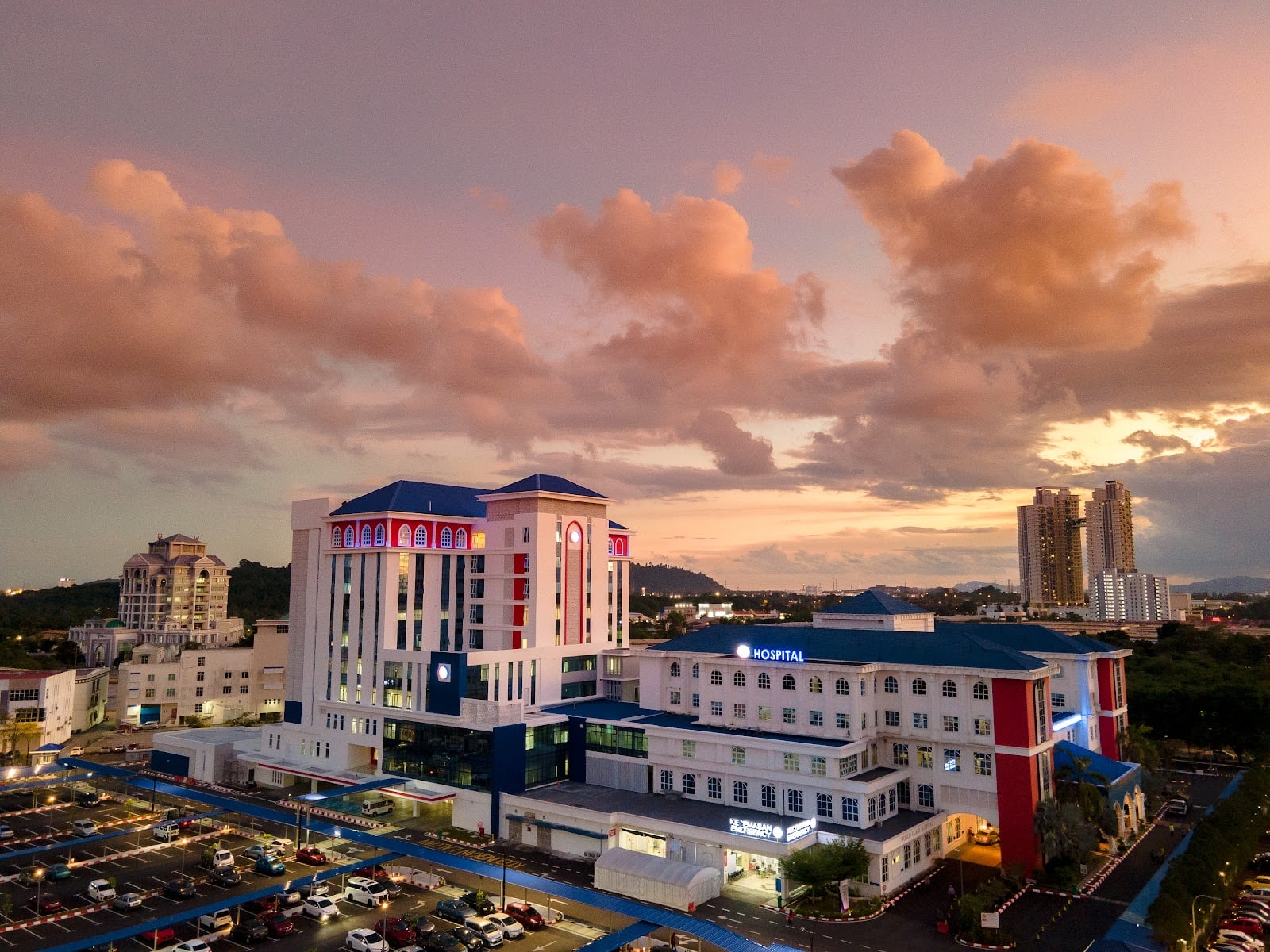
KPJ Penang Specialist Hospital
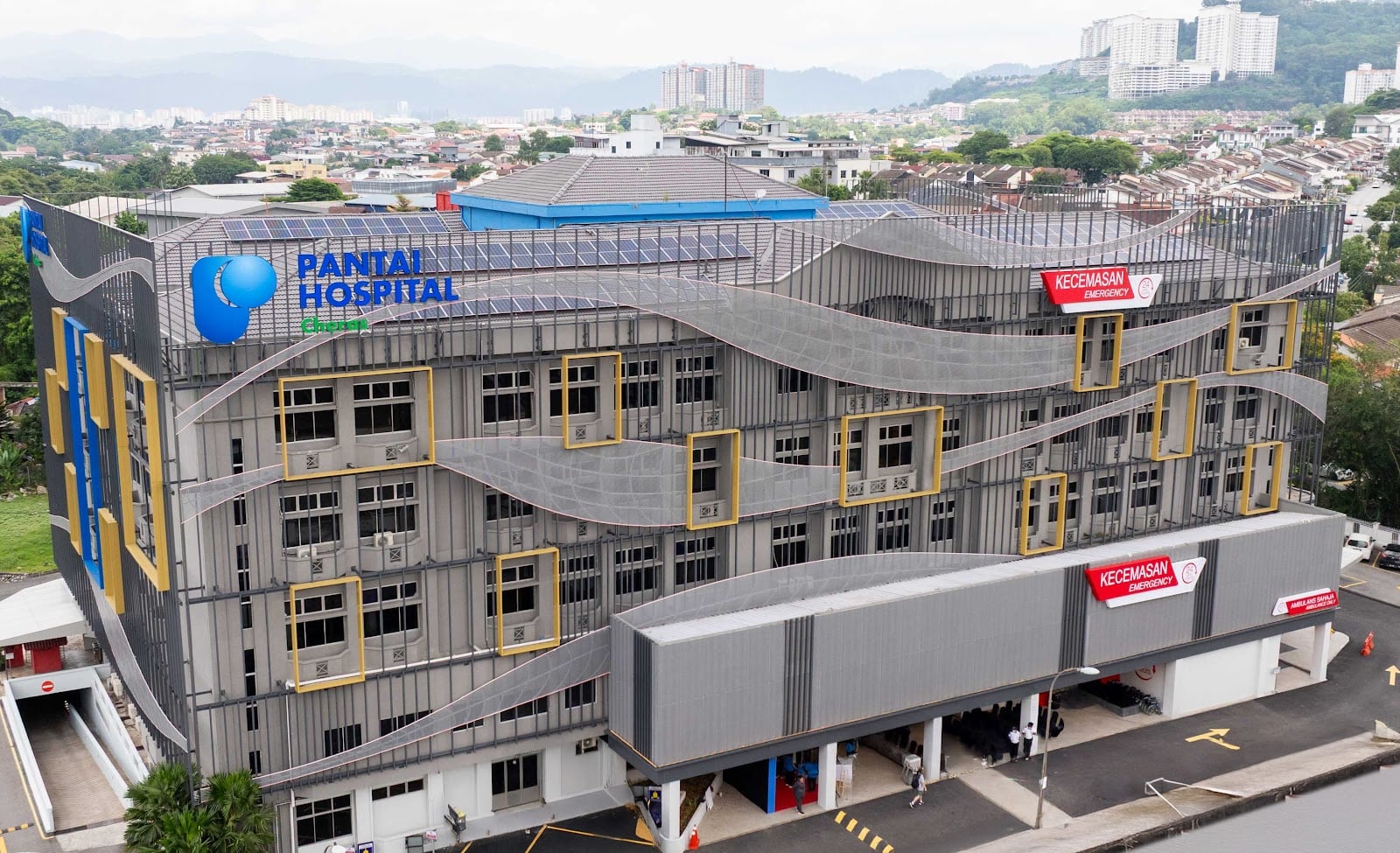
Pantai Hospital Cheras

Pantai Hospital Ampang


Pantai Hospital Penang

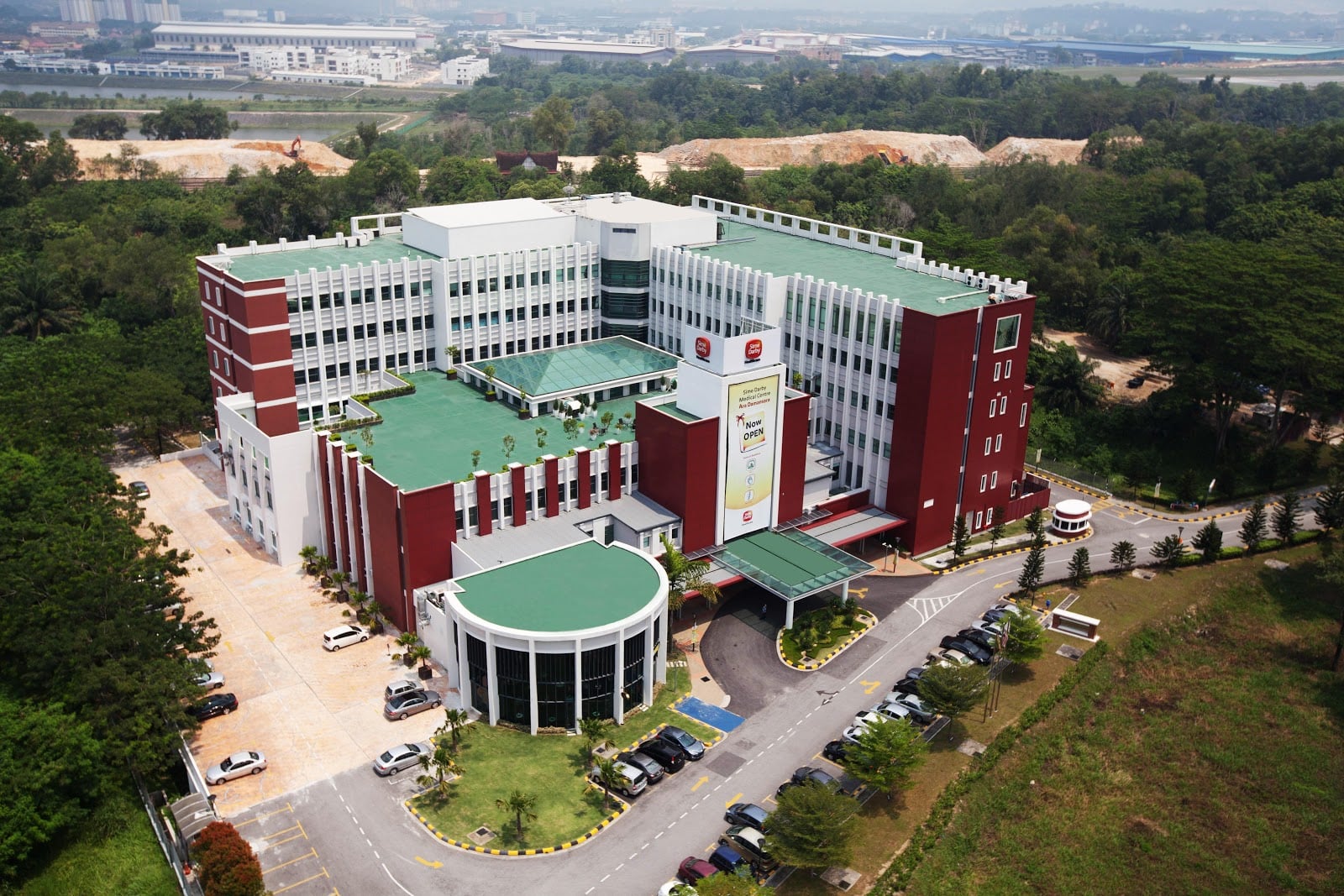
Ramsay Sime Darby Medical Centre Ara Damansara (ADMC)

Sunfert International Fertility Centre
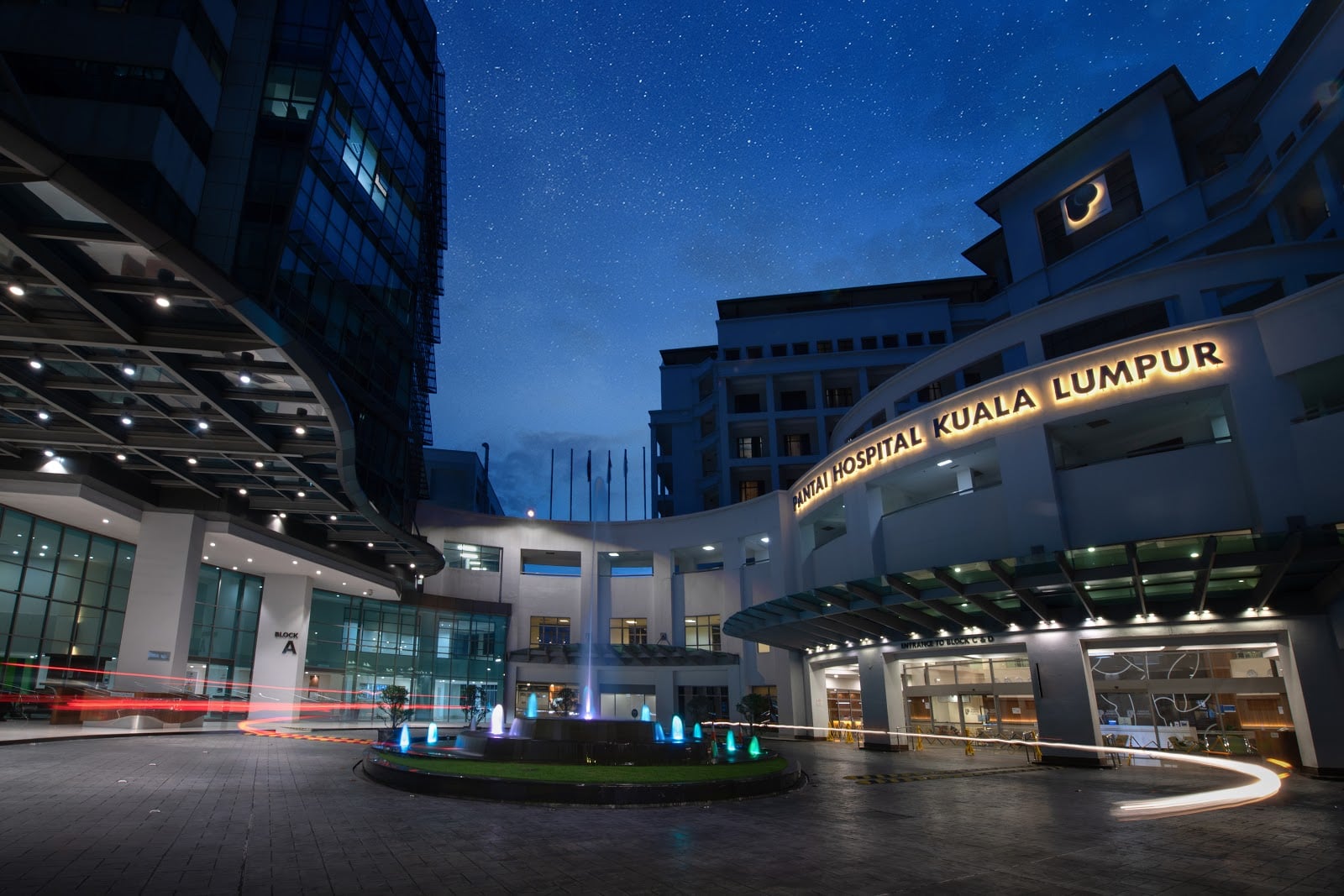
Pantai Hospital Kuala Lumpur
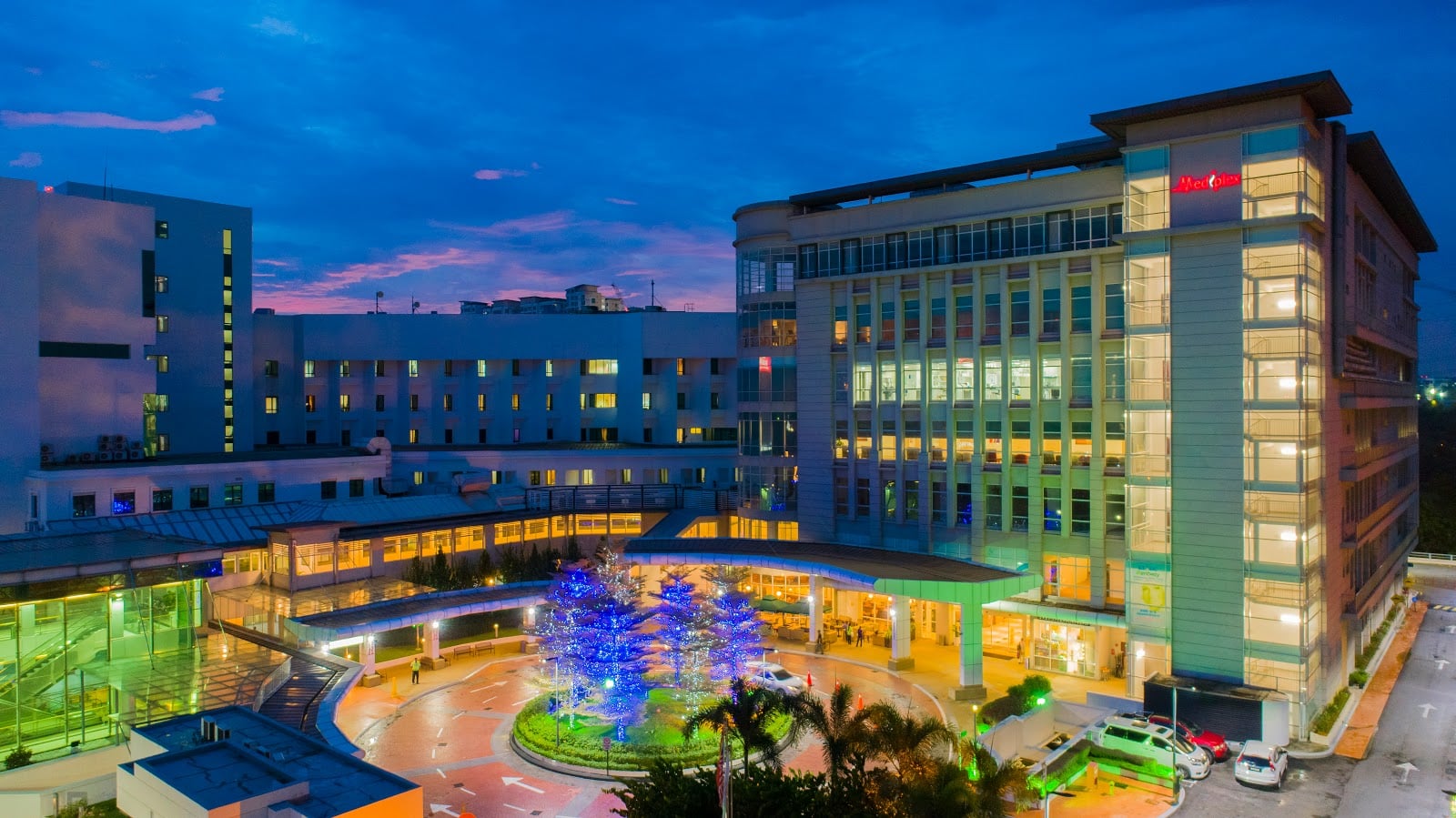
Subang Jaya Medical Centre (SJMC)
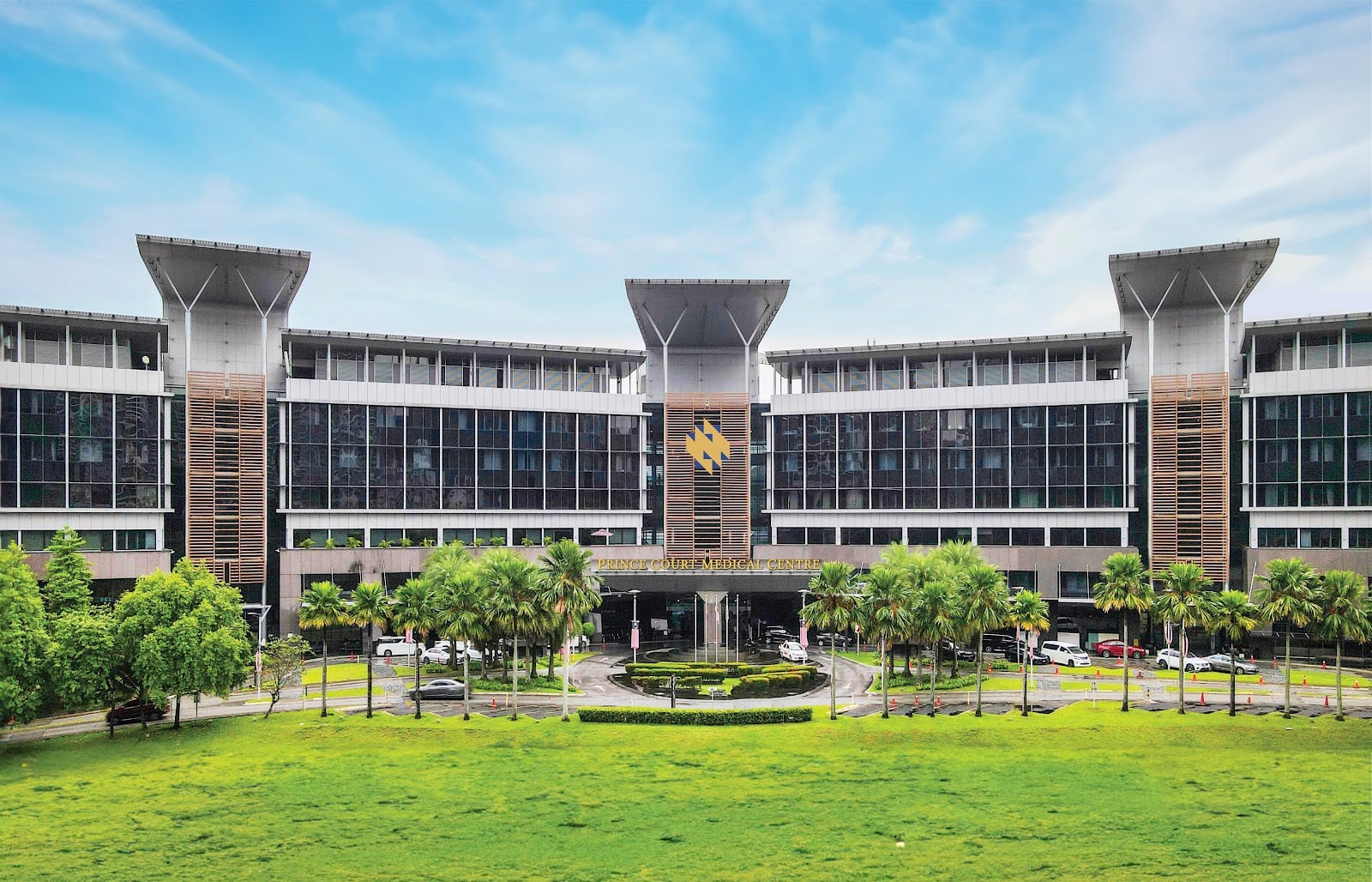
Prince Court Medical Centre

KPJ Ampang Puteri Specialist Hospital
Frequently Asked Questions
What currency is used and what payment methods work in Malaysia?
Malaysia uses the Malaysian Ringgit (MYR/RM). Credit and debit cards (Visa, Mastercard) are widely accepted at hospitals, hotels, and major retailers, and contactless payments via Apple Pay and Google Pay work at many outlets. Cash is still useful for street markets and smaller shops. Exchange currency at licensed money changers in city centers or malls for the best rates, and avoid unofficial or unlicensed exchangers.
Is tap water safe to drink in Malaysia?
Tap water in Malaysian cities is treated and generally meets safety standards, but it is best to drink bottled or boiled water due to aging pipe infrastructure in some buildings. Bottled water is inexpensive and available everywhere. Ice and water served at hotels and established restaurants are safe, as they use filtered or purified water.
How do I get around to hospitals, and what ride-hailing apps are available?
Grab is the primary ride-hailing app in Malaysia (Uber exited the market in 2018) and is the most convenient way to travel to and from hospitals. The app accepts international credit cards and shows upfront pricing in English. Kuala Lumpur also has an efficient rail transit system (LRT, MRT, KTM Komuter) that connects to areas near major hospital districts. Metered taxis are available but Grab is generally more reliable for foreigners.
Can I buy over-the-counter medicine at pharmacies in Malaysia?
Common non-prescription medicines like paracetamol, antacids, and cold remedies are readily available at pharmacies and even some convenience stores at affordable prices. Malaysia's pharmacies are well-stocked and pharmacists can dispense certain medications (Group C drugs) after a brief consultation without a doctor's prescription. Major pharmacy chains like Guardian and Watsons are found in most shopping centers and near hospital areas.
What is the climate like, and how does it affect recovery planning?
Malaysia has a tropical climate year-round with temperatures between 27-35 degrees Celsius (80-95 degrees Fahrenheit) and high humidity, so there is no bad season to visit for medical treatment. Air-conditioned hospitals and hotels provide comfortable recovery environments, but plan for brief heavy afternoon rain showers. The consistent warm weather eliminates concerns about seasonal travel disruptions, though patients recovering from surgery should stay well-hydrated and limit direct sun exposure.
Costs are estimates, actual prices vary by hospitalAdvisory data: US State Department, UK FCDORankings are algorithm-based, not paid for by clinics
Start your Malaysia medical journey
Get a free, personalized hospital shortlist. No obligation. Human-reviewed.