
Medical Tourism in Czech Republic
Save 69% avg on costs and 64% on wait times vs US

- 9 hospitals listed on CureMeridian
- 4.4★ from 3,087 Google reviews
- Up to 69% less than at home
Scores are calculated by our algorithm, not paid for by hospitals.
Czech Republic at a Glance
Hospitals
9 listed
Provider Rating (Average)
4.4 / 5.0
3,087 Google reviews
Visa
Visa Free (90 days)
English
High
US Advisory
Low Risk
Level 1 of 4
Tourism
14M visitors/yr
2023 data
Sources: US State Department, World Bank 2024, EF EPI
Data sources: Travel advisory, US State Department (as of May 2026) · Exchange rate, ECB / Frankfurter (as of May 2026) · Safety & health indices, World Bank 2023. Figures are indicative reference data, kept current and reviewed, not a guarantee.
Is Czech Republic right for you?
Why patients choose Czech Republic
- Top European medical tourism destination
- Prague medical tourism corridor with modern clinics
- EU-regulated healthcare and safety standards
- Historic city setting for comfortable recovery
- Highly affordable compared to Western Europe
Good to know before you go
- Cold winters with short days
- Focused on dental and cosmetic
- Smaller hospital network
- Tourist crowds in Prague center
- Czech crown not euro currency
Before you go
- Request before-after portfolio
- Book apartment near Old Town
- Plan multiple dental visits
- Confirm post-op follow-up dates
- Download Czech transport app
This guide is for general information only. Travel advisories, visa rules, and hospital availability change frequently. Always verify current conditions before making decisions. Advisory source: US State Department.
Procedures in Czech Republic
Select a procedure to see hospitals. Costs compared to US prices.

IVF (In Vitro Fertilization)
$2.6k to $3.2k vs $19k in US
2 weeks vs 1 month in US

Dental Implants
$650 to $1.2k vs $4k in US
2 weeks vs 3 weeks in US

Hip Replacement
$6.8k to $9.6k vs $38k in US
2 weeks vs 2 months in US

Egg Freezing
$1.8k to $3.3k vs $10k in US
2 weeks vs 2 months in US

Embryo Freezing
$2.2k to $3.8k vs $10k in US
2 weeks vs 2 months in US

Knee Replacement
$10k to $14k vs $32k in US
2 weeks vs 2 months in US

Dental Veneers
$125 to $225 vs $400 in US
1 week vs 2 months in US

All-on-4 / All-on-6
$11k to $12k vs $25k in US
2 weeks vs 4 weeks in US
Hospitals in Czech Republic
Reviews from Google, not paid for by hospitals. Select up to 5 hospitals to compare.
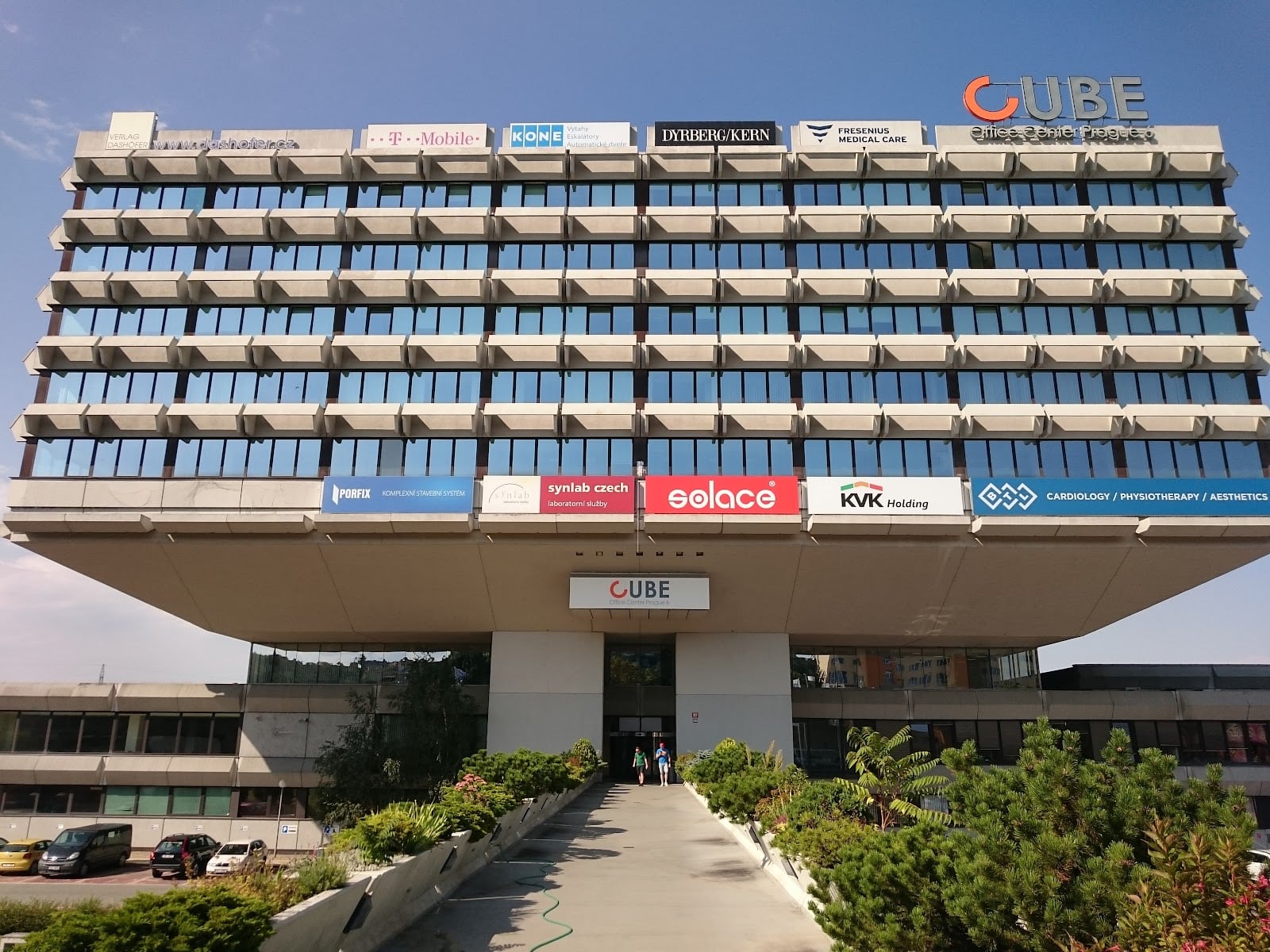
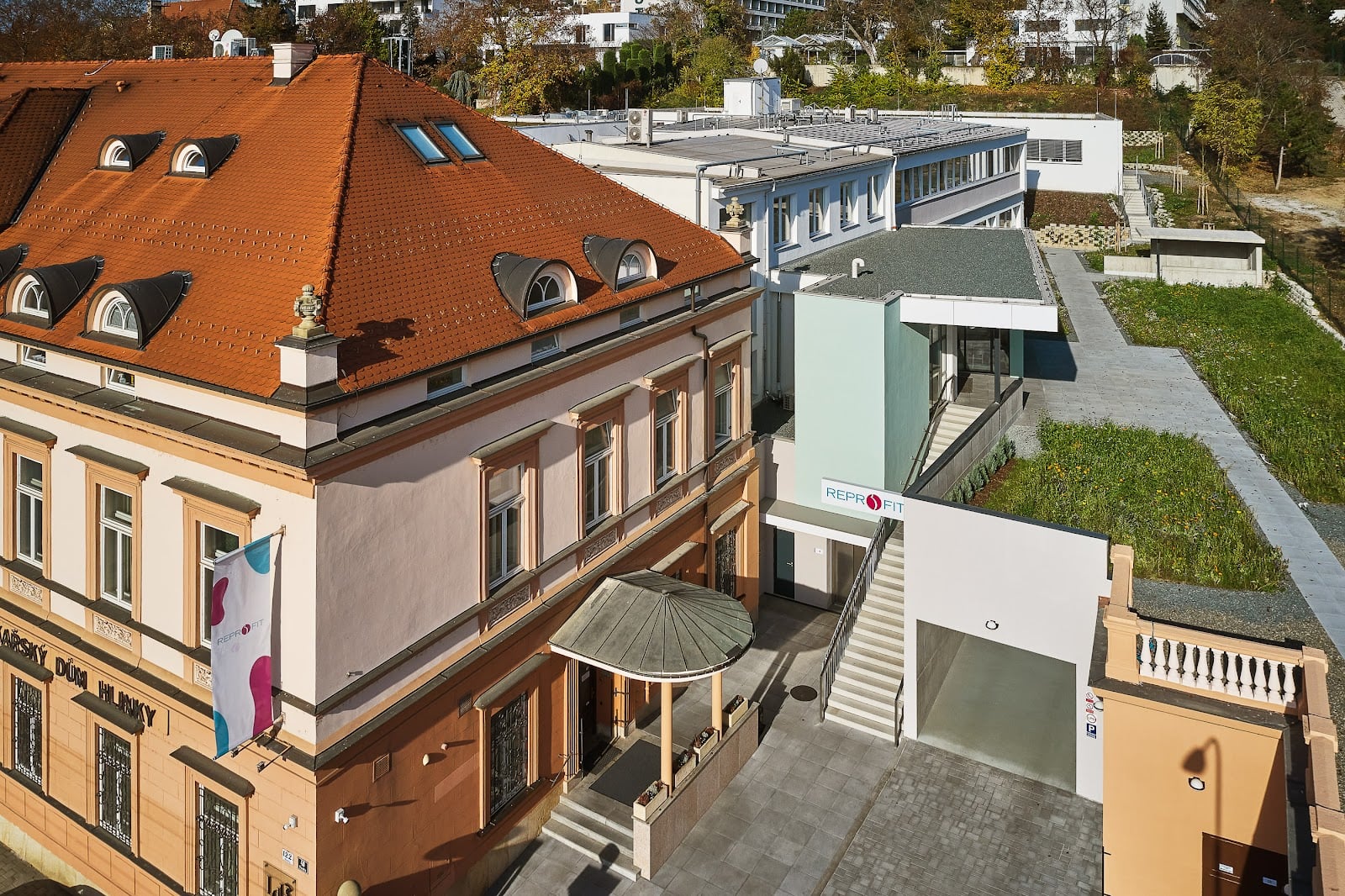


PRONATAL Sanatorium (flagship)


Hospital Na Homolce (Nemocnice Na Homolce)


Malvazinky Clinic (VAMED-Mediterra)
Frequently Asked Questions
What currency is used in Czechia and how should I handle payments?
Czechia uses the Czech Koruna (CZK), not the Euro. Credit cards are accepted at hospitals, hotels, and most restaurants in Prague and Brno, but carry koruna cash for tipping and smaller establishments. Avoid exchange booths in tourist areas that advertise no commission but offer poor rates; instead use bank ATMs from Česká spořitelna, ČSOB, or Komerční banka. When tipping, always use koruna rather than euros to avoid leaving servers with cash they must exchange at a loss.
Is Prague tap water safe to drink?
Yes, tap water in Prague and throughout Czechia is safe to drink and meets strict EU quality standards. Locals commonly drink tap water, and you will find refill fountains throughout Prague. Be aware that if you ask for tap water (kohoutková voda) at restaurants, many will charge a service fee of around 45 CZK. Bottled water is also affordable and widely available at convenience stores and hospital cafeterias.
How do I stay connected with a SIM card or mobile data in Czechia?
The three main mobile providers are O2, Vodafone, and T-Mobile, all of which offer tourist SIM cards and eSIMs. Physical SIM cards can be purchased at kiosks in the arrivals area of Václav Havel Airport Prague or at carrier stores in the city center. For most short-stay medical tourists, an eSIM is the simplest option if your phone supports it — install it before departure so you have connectivity immediately upon landing.
How do I get to hospitals and around Prague?
Prague's metro, tram, and bus system is efficient and affordable — buy a contactless Lítačka travel pass at any metro station. For hospital trips, Bolt and Uber both operate in Prague and are reliable alternatives to street taxis. Tip taxi drivers by rounding up the fare in koruna, especially if they help with luggage. Most private clinics catering to international patients offer concierge transportation including airport pickup and clinic transfers — confirm this during your pre-arrival coordination.
What recovery and wellness options does Czechia offer medical tourists?
Czechia has a centuries-old tradition of spa and wellness culture, particularly in towns like Karlovy Vary (Carlsbad), Mariánské Lázně (Marienbad), and Františkovy Lázně. These spa towns offer mineral spring treatments, rehabilitation programs, and recovery-oriented accommodation that many patients combine with their medical trip. Prague itself has a mild continental climate, with spring and early autumn offering the most comfortable recovery conditions at 15-25°C. Always consult your treating doctor before combining spa or thermal treatments with post-surgical recovery.
Costs are estimates, actual prices vary by hospitalAdvisory data: US State Department, UK FCDORankings are algorithm-based, not paid for by clinics
Start your Czech Republic medical journey
Get a free, personalized hospital shortlist. No obligation. Human-reviewed.